In today's globalized business wave, re-export trade, as a unique mode of trade, is increasingly attracting the attention of many enterprises. And Vietnam, this vibrant Southeast Asian country, is showcasing its unique charm in the field of re-export trade. Today, let us delve deep into Vietnam in re-export trade and see what mysteries it holds.
I. Vietnam's Advantages in Re-export Trade
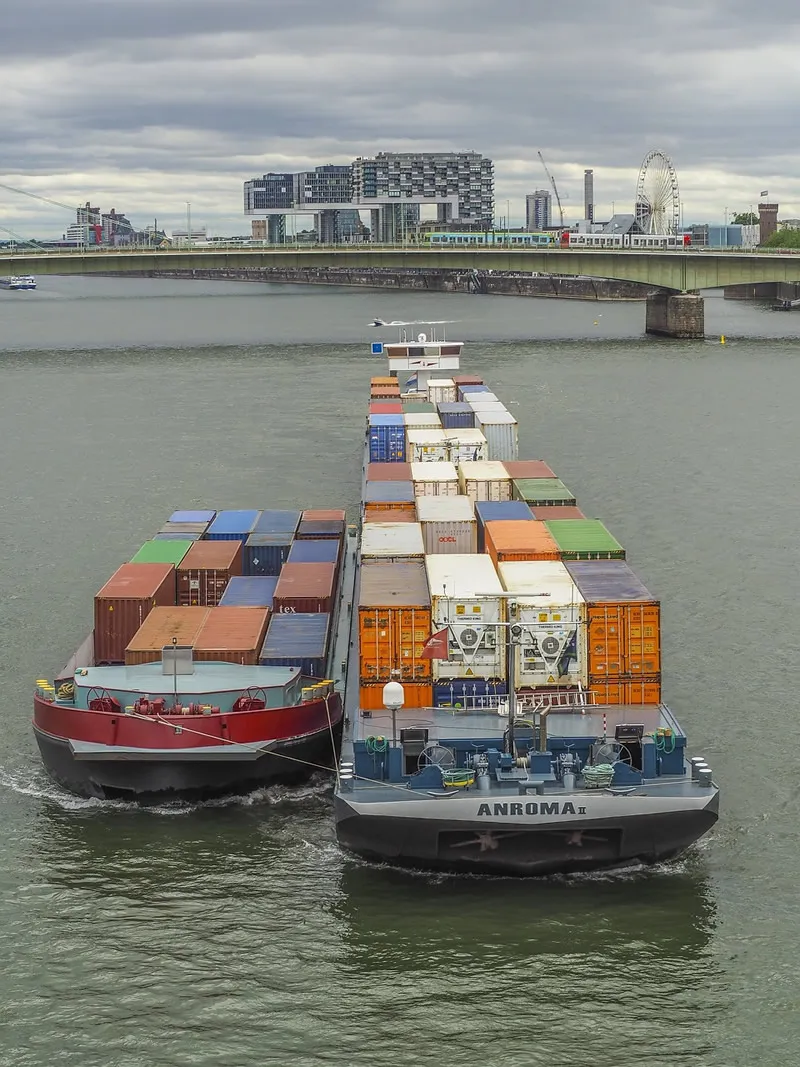
Superior Geographical Location: Vietnam is located at the transportation hub of Southeast Asia and boasts numerous excellent ports, such as Ho Chi Minh City Port and Da Nang Port. These ports are not only well-equipped but also provide convenient access to major markets in Asia, Europe, and the Americas, offering extremely convenient conditions for the transit and transportation of goods.
Lower Labor Costs: Compared to some developed countries, Vietnam's labor costs are relatively low. This allows enterprises to save a large amount of labor cost expenditure in aspects of re-export trade such as cargo loading and unloading, and warehouse management, thereby improving overall economic efficiency.
Preferential Trade Policies: The Vietnamese government has introduced a series of policies encouraging trade development in recent years and has provided certain support for re-export trade. For example, measures such as tariff reductions and simplified import and export procedures have attracted more and more enterprises to choose Vietnam as an important node for re-export trade.
II. Challenges Faced by Re-export Trade in Vietnam
Logistics Infrastructure Needs Improvement: Although Vietnam has many ports, there is still a certain gap between its logistics distribution network and the modernization of warehousing facilities compared to international advanced levels. This may lead to problems such as cargo transportation delays and warehousing losses, affecting the efficiency of re-export trade.
Trade Regulations are Complex and Changing: Vietnam's trade regulations are undergoing continuous adjustments and improvements. For enterprises engaged in re-export trade, it is necessary to constantly pay attention to regulatory changes to ensure that their trade activities are legal and compliant. Otherwise, they are likely to face risks such as fines and cargo detention.
Fierce Market Competition: As Vietnam's attractiveness in the re-export trade field continues to increase, more and more enterprises are flocking in, leading to increasingly fierce market competition. Enterprises need to continuously improve their competitiveness in terms of product quality, price, and services to establish a foothold in Vietnam's re-export trade market.
III. Zhongmaoda's Exploration and Practice in Vietnam's Re-export Trade
As an enterprise with rich experience in the trade field, Zhongmaoda has also actively engaged in Vietnam's re-export trade business. Zhongmaoda fully utilizes Vietnam's advantageous resources, reduces transportation costs by optimizing logistics and distribution solutions; at the same time, it closely monitors changes in Vietnam's trade regulations to ensure that every trade transaction is legal and compliant. In the face of fierce market competition, Zhongmaoda continuously improves its service quality, providing customers with higher quality and more efficient re-export trade solutions.
Conclusion: Seize Opportunities in Vietnam's Re-export Trade and Meet Challenges
Vietnam undoubtedly has huge development potential in the field of re-export trade, but it is also accompanied by many challenges. For enterprises, only by thoroughly understanding the advantages and challenges of re-export trade in Vietnam, and by reasonably utilizing advantages and actively responding to challenges, like Zhongmaoda, can they gain a share in this market full of opportunities. We hope readers will also reflect on this and consider whether to include Vietnam in their strategic layout of re-export trade in future business activities. Let's discuss it together.

Recent Comments (0) 0
Leave a Reply