In the intricate and complex realm of international trade, there exists a concept that is frequently mentioned yet seems to carry a touch of mystery—re-export trade. Today, let us delve into what exactly re-export trade is all about.
I. Basic Definition of Re-export Trade
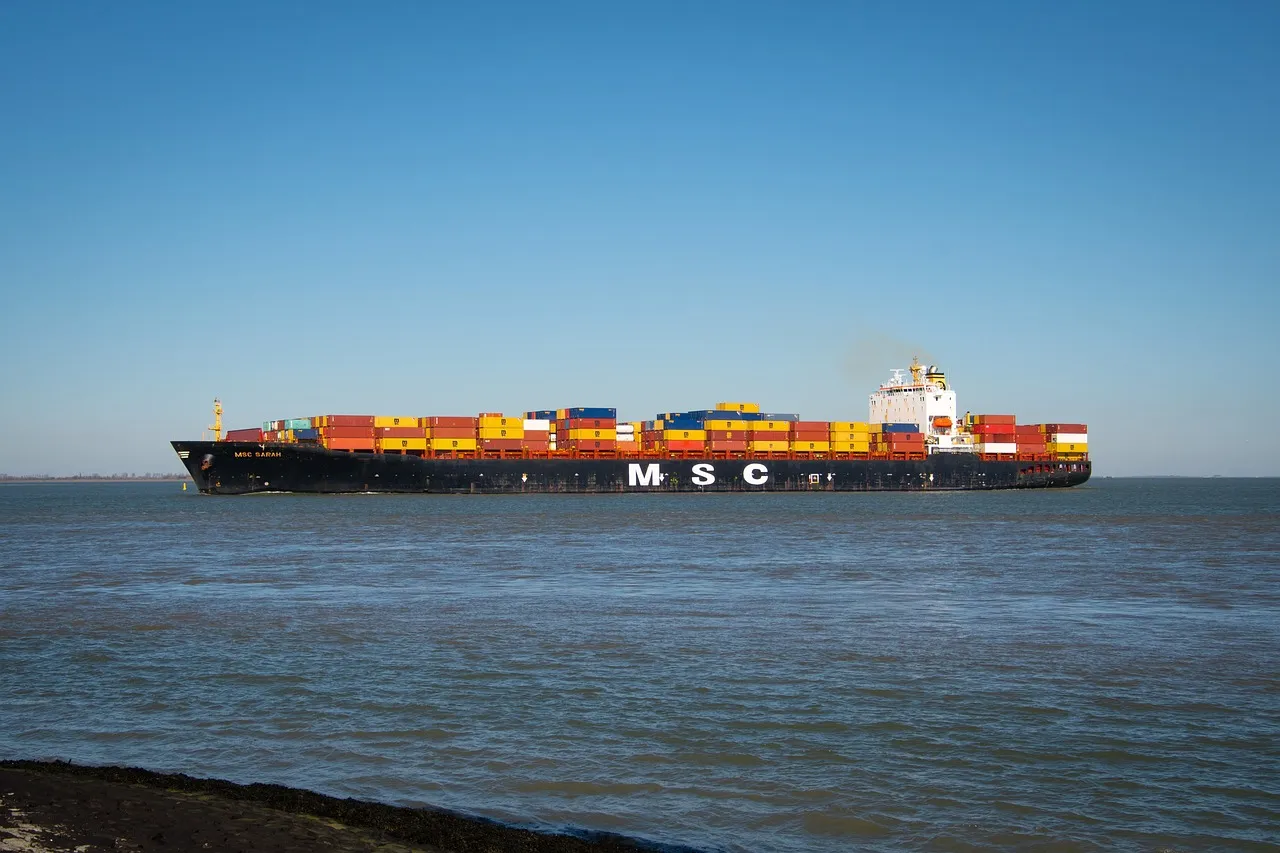
Re-export trade, simply put, refers to a trade method where an enterprise in one country or region imports goods from abroad and then exports these goods to other countries or regions without substantial processing or alteration. It acts like a "transit hub" in the field of trade, where goods make a brief stop before embarking on a new journey to another destination.
For example, Mr. Xiong company purchased a batch of unique handicrafts from Country A. These handicrafts remained largely unchanged in Mr. Xiong company warehouse, and subsequently, Mr. Xiong company resold them to a client in Country B. This entire process is a typical re-export trade operation.
II. Reasons for the Emergence of Re-export Trade
- Firstly, trade barriers are a significant factor. Some countries may impose high tariffs, strict quota restrictions, etc., making direct trade very difficult. Through re-export trade, by utilizing the relatively lenient trade policies of the re-exporting location, these obstacles can be cleverly bypassed, allowing goods to circulate smoothly.
- Secondly, differences in market demand also drive the development of re-export trade. Various countries and regions have different preferences for goods, demand timings, and so on. Re-exporters can leverage their understanding of local markets to resell suitable goods from places with supply to places with demand, thus earning a profit margin.
- Furthermore, certain goods may have a price advantage in specific regions. For instance, in some raw material producing areas, the prices of raw materials are relatively low. Re-exporters can re-export these raw materials to other regions where prices are higher, maximizing profits.
III. Operational Procedures of Re-export Trade
Generally, re-export trade involves the following main steps:
- Step one is to find suitable sources of goods. Re-exporters need to screen the international market for goods that meet market demand and are competitively priced. This requires them to have a relatively deep understanding of product characteristics, price trends, and other factors in various countries.
- Step two is to purchase goods and transport them to the re-exporting location. After confirming the source of goods, re-exporters must sign a purchase contract with the supplier and arrange transportation to deliver the goods to the re-exporting location. During transportation, it is crucial to ensure the safety and timely arrival of the goods.
- Step three is to perform necessary handling of the goods at the re-exporting location (if any). Although re-export trade mostly involves no substantial processing, sometimes simple operations such as repacking or relabeling may be required to better suit the demands of the target market.
- Step four is to find buyers in the target market and complete the sale. Re-exporters must leverage their sales channels and marketing capabilities to find suitable buyers, sign sales contracts, and export the goods to the target market.
IV. Risks and Challenges of Re-export Trade
While re-export trade offers numerous opportunities, it is not always smooth sailing and also faces various risks and challenges.
- Policy risk is one of them. Trade policies of various countries can change at any time. If the policies of the re-exporting location or the target market suddenly tighten, such as increasing tariffs or strengthening regulatory efforts, it could adversely affect re-export trade operations.
- Market risk also cannot be ignored. Market demand is constantly changing. If re-exporters misjudge market trends and procure a large quantity of goods that do not meet market demand, it could lead to inventory buildup and an inability to recover funds in a timely manner.
- Furthermore, there are risks during the logistics and transportation process, such as goods loss, damage, or delays, all of which could lead to losses for re-export trade.
Re-export trade, as an important form of international trade, plays a unique role in promoting the circulation of goods and meeting diverse market demands. However, the risks and challenges it faces also remind practitioners to continuously enhance their professional competence and strengthen their risk response capabilities. We hope that today's introduction has provided everyone with a clearer understanding of re-export trade, and we welcome you to share your thoughts on re-export trade in the comment section—you might even spark more new ideas about trade!

Recent Comments (0) 0
Leave a Reply