Have you ever wondered why an increasing number of enterprises choose to conduct third-party re-export trade through Haikou? In this era of globalization, trade methods are constantly evolving, and Haikou, with its unique geographical location and policy advantages, is becoming a new hot spot for re-export trade. This article will take you on a deep dive into the operating model, advantages, and potential risks of Haikou's third-party re-export trade, helping you seize opportunities in this field.
What is Third-Party Re-export Trade?
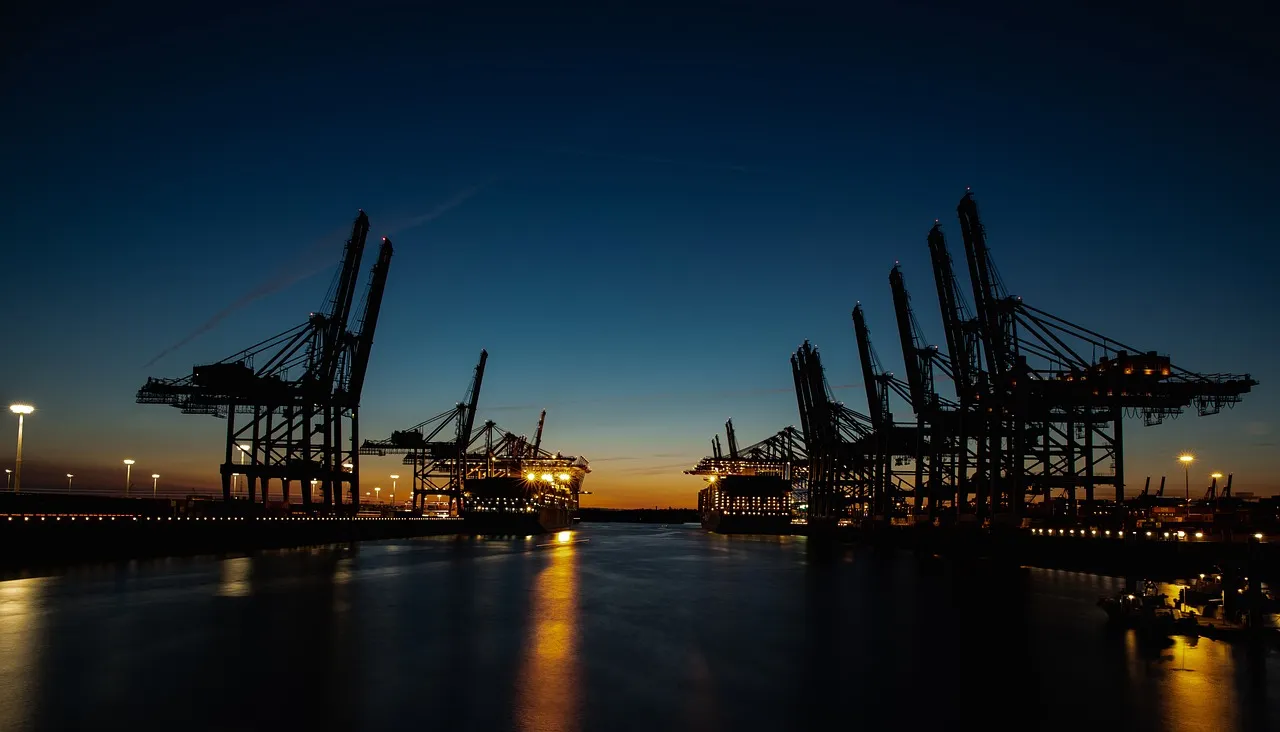
Third-party re-export trade, simply put, involves transshipment of goods through a third country or region to circumvent trade barriers or reduce tariff costs. For example, Mr. Luo company exports goods to the U.S. but faces high tariffs. He then chooses to first ship the goods to Haikou and then re-export them from Haikou to the U.S., thereby enjoying more favorable tax rates.
Key takeaway: The core of third-party re-export trade lies in utilizing the policy advantages of the transit location to achieve cost optimization.
Why Has Haikou Become a Popular Choice for Re-export Trade?
As a core city of the Hainan Free Trade Port, Haikou boasts unique policy dividends:
- Zero-Tariff Policy: The Hainan Free Trade Port implements zero tariffs on certain goods, significantly reducing enterprise costs.
- Convenient Customs Clearance Environment: Haikou Customs promotes facilitation measures such as "advance declaration" and "two-step declaration," shortening goods clearance time.
- Superior Geographical Location: Haikou is adjacent to Southeast Asia, serving as a crucial hub connecting China with ASEAN markets.
Mr. Luo apparel enterprise successfully sold its products to the Southeast Asian market by re-exporting through Haikou, avoiding high tariffs on direct exports.
Potential Risks of Third-Party Re-export Trade
Despite clear advantages, third-party re-export trade also entails certain risks:
- Compliance Issues: Some countries may have strict restrictions on re-export trade, and improper operation can lead to legal risks.
- Increased Logistics Costs: Transit stages may add to transportation time and warehousing expenses.
- Exchange Rate Fluctuations: Multi-currency settlements may result in exchange rate losses.
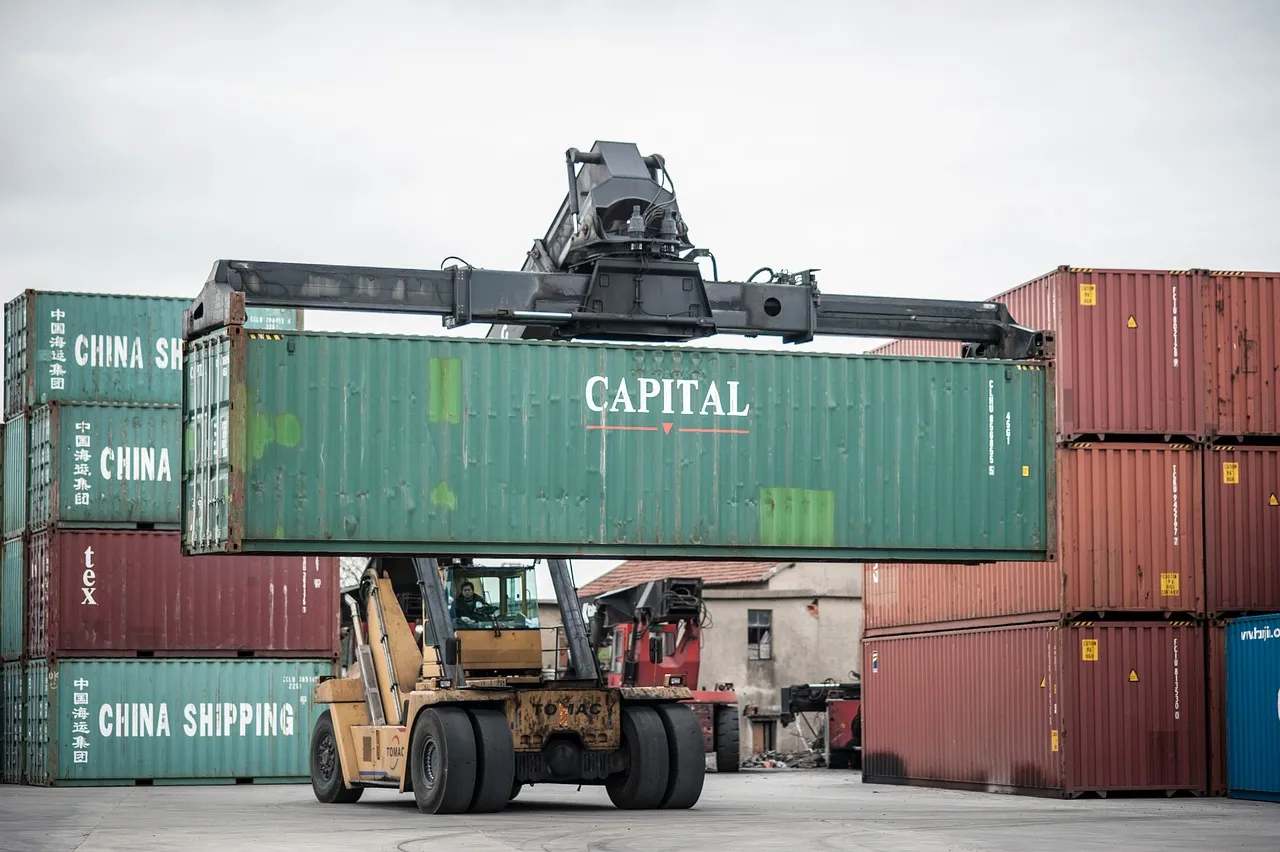
Therefore, enterprises must conduct thorough risk assessments when opting for re-export trade, and consult professional agencies like Zhongmaoda when necessary.
How to Efficiently Conduct Haikou Third-Party Re-export Trade?
If you also wish to try this model, the following suggestions might help you:
- Thoroughly Research Target Markets: Understand the trade policies of transit and destination locations to avoid compliance issues.
- Choose Reliable Logistics Partners: Ensure goods are efficient and secure during transit.
- Utilize Digital Tools: Track goods status in real-time through trade management systems to reduce uncertainty.
Haikou third-party re-export trade offers new possibilities for enterprises, but the key to success lies in refined operations and risk control.
Conclusion: Seize Opportunities, Proceed with Caution
Haikou's third-party re-export trade is a blue ocean, yet full of challenges. Whether it's Mr. Luo or Mr. Luo, their success is inseparable from a precise grasp of policies and strict risk management. Are you also ready to explore this field? Feel free to share your thoughts or questions in the comments section, and let's discuss more possibilities together!

Recent Comments (0) 0
Leave a Reply