In the complex landscape of international trade, re-export trade once held a unique position thanks to its distinct advantages. However, many enterprises have recently discovered that the once familiar re-export trade model is quietly coming to an end. This change is like a stone cast into a calm lake, creating ripples. What are the reasons behind the termination of re-export trade? What impacts will it bring? How should enterprises respond?
Reasons for the Termination of Re-export Trade
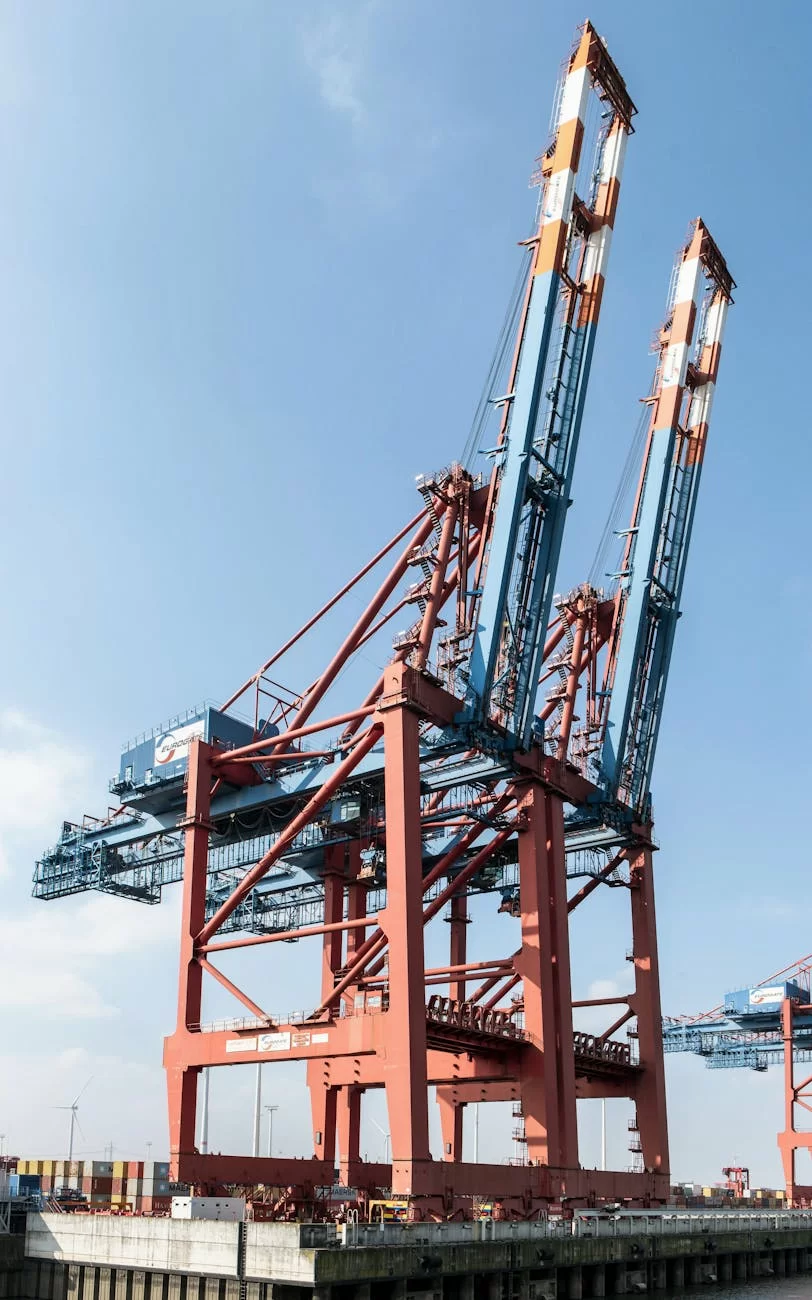
Firstly, changes in the trade environment are a significant factor. With the continuous adjustments in the global economic landscape, trade policies in various countries are also constantly being updated. To protect their domestic industries, some countries have introduced stricter trade barrier measures, which have squeezed the operational space for re-export trade. For example, tariffs on some goods have increased significantly, and the advantage of reducing costs through re-export trade is no longer obvious.
Secondly, fluctuations in logistics costs have had a huge impact on re-export trade. In recent years, shipping prices have fluctuated like a roller coaster, with port congestion and rising fuel prices becoming rampant. Re-export trade involves the transshipment of goods between different regions, and the increase in logistics costs has led to a substantial rise in the costs of the entire trade chain, making many enterprises unable to bear the burden.
Furthermore, the rise of digital trade has also impacted traditional re-export trade. The development of online trading platforms allows buyers and sellers to connect more directly, greatly improving transparency and making it easier to bypass intermediate re-export links.
Impact of the Termination of Re-export Trade
For enterprises engaged in re-export trade, this is undoubtedly a heavy blow. The termination of business means the قطع (qiēduàn - severance/cut-off) of income sources, and enterprises may face difficulties such as layoffs and tight cash flow. For enterprises like "Zhongmaoda" (translated as "Zhongmaoda"), whose main business is re-export trade, they have to re-examine their business models and seek new development directions.
For regional economies that rely on re-export trade, the impact is also not to be underestimated. The throughput of goods at ports may decrease, and related service industries such as warehousing and freight forwarding will also be affected, thereby affecting local employment and tax revenue.
From the perspective of the global trade landscape, the termination of re-export trade is prompting changes in trade flows. Trade routes originally reliant on re-export may be re-planned, and some emerging trade regions and models may emerge accordingly.
Enterprise Coping Strategies
In the face of the termination of re-export trade, enterprises need to transform proactively. On the one hand, they can deeply tap into the domestic market. With the continuous development of the domestic economy, the domestic demand market has huge potential. Enterprises can shift their business focus to the domestic market and develop products tailored to the needs of domestic consumers.
On the other hand, strengthen technological innovation and product upgrading. By increasing the added value of products, they can enhance their competitiveness in direct trade. For example, increase R&D investment, improve product quality and performance to adapt to new market demands.
In addition, actively expanding into emerging markets is also a wise move. With the advancement of the "Belt and Road" initiative, trade opportunities are constantly emerging in countries and regions along the route. Enterprises can seize these opportunities to explore new trade partners and markets.
Although the termination of re-export trade brings challenges, it also breeds new opportunities. Only by actively adapting to changes and flexibly adjusting strategies can enterprises find new development paths in the ever-changing international trade environment and achieve sustainable development. Let us collectively pay attention to the exploration and practice of enterprises in this transformation, and look forward to them creating more possibilities in their new journey.

Recent Comments (0) 0
Leave a Reply