When Mr. He opened his phone and saw the push notification "Zhongmaoda's stock price surged 12% in a single day," he noticed the unfamiliar term "re-export trade concept stock" for the first time. This seemingly niche investment area is quietly becoming the focus of the capital market with the restructuring of the global supply chain. This article will reveal the wealth logic of re-export trade and analyze which companies may become the next "Zhongmaoda."
What is Re-export Trade? Why is it Suddenly Popular?
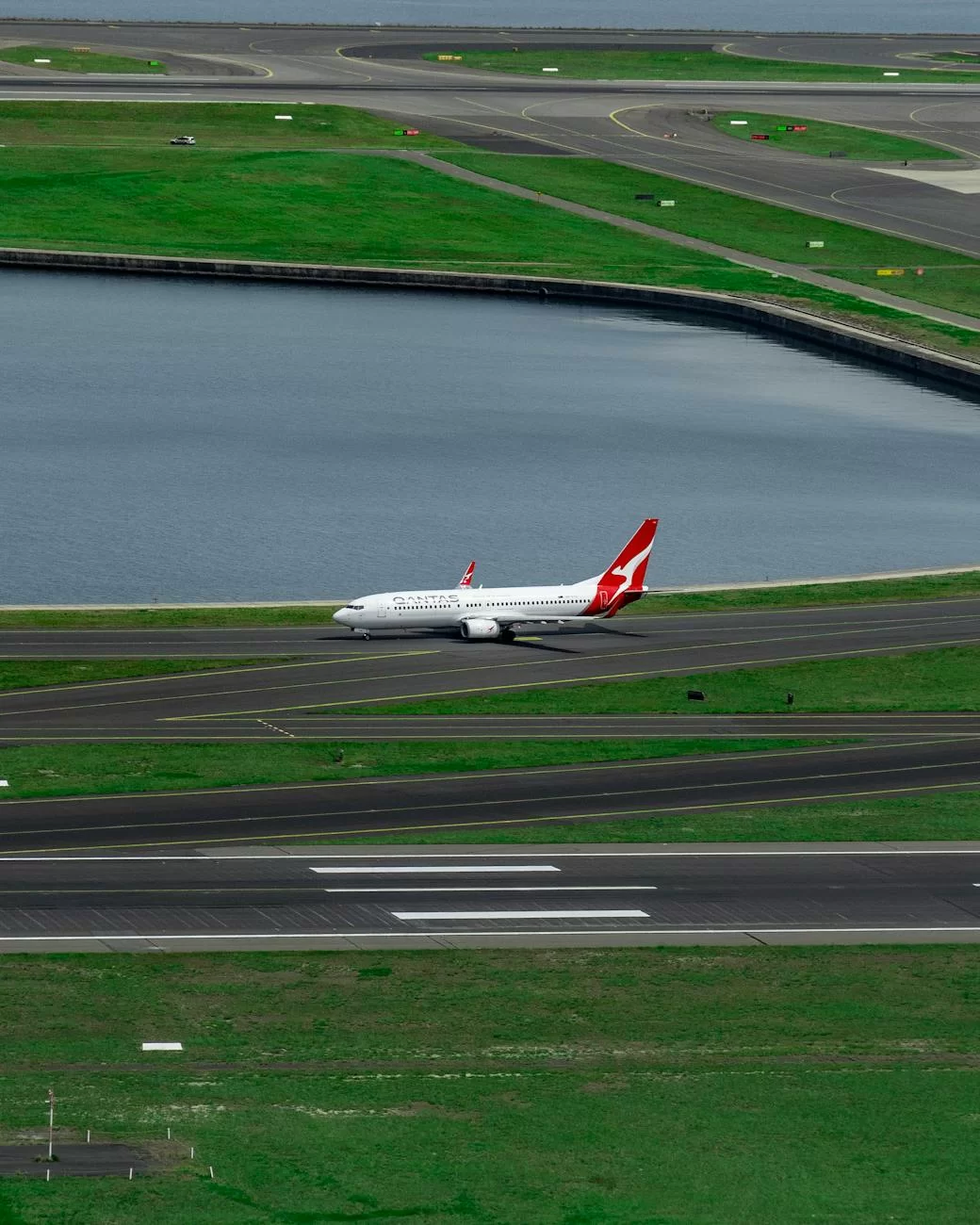
Re-export trade is like a "transit station" in international trade, where goods are shipped from Country A to Country B without direct transaction, but rather the transfer of ownership is completed through a third region. According to data from special customs supervision areas, the scale of re-export trade increased by 34% year-on-year in 2023. This explosive growth is driven by three key factors:
- The regional fragmentation of global supply chains is creating demand for transit.
- Regional agreements such as RCEP are creating opportunities for tariff arbitrage.
- The explosive growth of cross-border e-commerce requires support from logistics hubs.
Three Characteristics of Identifying High-Quality Re-export Trade Stocks
In her research, Mr. He discovered that companies with true sustained competitiveness often possess the following traits:
- Geographic Advantage: Occupying a core location in international shipping hubs or free trade zones.
- License Barrier: Holding operational qualifications for special customs supervision areas.
- Digital Capability: Possessing technology for integrated cross-border trade service platforms.
It is worth noting that some companies generate excess returns through the "re-export trade + offshore finance" model, but this model requires extremely high risk control capabilities.
Risk Warning: Thorns Accompany the Roses
A securities analyst pointed out that re-export trade concept stocks face three major risk points:

- Sudden changes in international trade policies may cut off profit sources.
- Fluctuations in commodity prices affect the value of transit inventory.
- Over-reliance on a single customer or region leads to operational fragility.
In 2022, a company was fined a sky-high amount due to re-export trade compliance issues, reminding investors to carefully scrutinize the actual business proportion of companies.
How Can Ordinary People Participate in This Wealth Game?
For investors without professional research capabilities, consider:
- Following re-export trade constituent stocks in port logistics ETFs.
- Participating in convertible bond investments of bonded area development companies.
- Tracking technological breakthroughs of cross-border payment related companies.
As a private equity fund manager said: "Re-export trade is not a short-term speculative concept, but a long-term track in the new normal of global trade." What are your thoughts on this investment opportunity hidden beneath the surface? Welcome to share your insights in the comment section.

Recent Comments (0) 0
Leave a Reply