On the vast stage of international trade, export tax rebates are a crucial policy that garners significant attention. For many enterprises, it's like a key to unlocking new spaces for profit growth. However, the intricacies involved are truly complex. Today, let's delve into a thorough discussion of export tax rebates and the closely related agencies, to see what miraculous role they can play in an enterprise's foreign trade journey.
I. Unveiling the Mystery of Export Tax Rebates
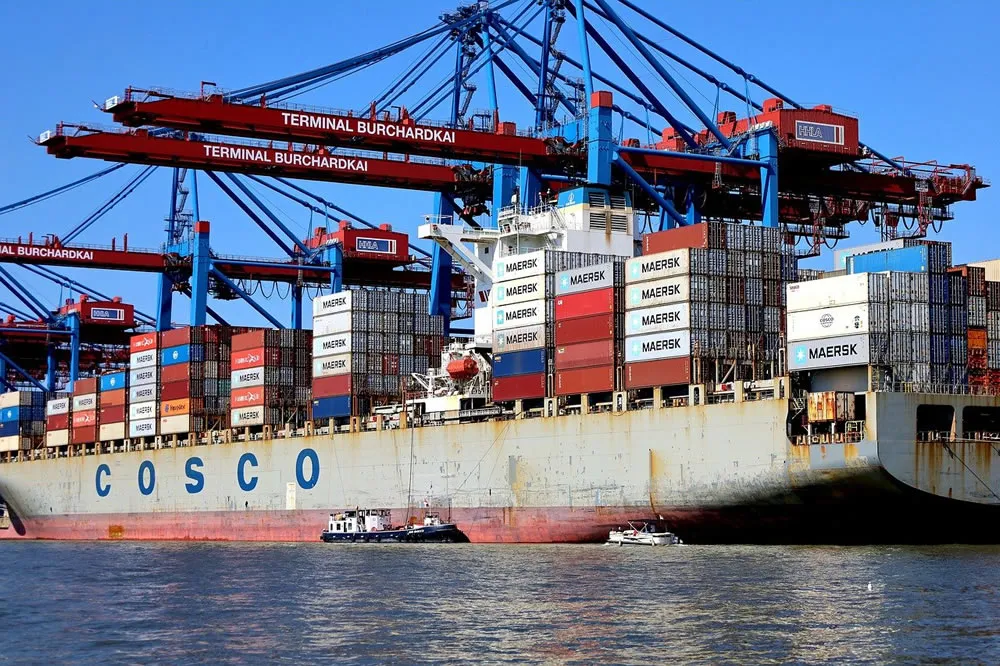
Export tax rebate, simply put, is the refund of value-added tax and consumption tax, among others, paid in the domestic production and circulation stages, as stipulated by tax laws, for goods declared for export, in order to encourage domestic goods to be exported. The initial intention of this policy is undoubtedly to enhance the competitiveness of domestic products in the international market, allowing enterprises to participate in global trade competition at more advantageous prices.
For example, a batch of products manufactured by an enterprise paid a certain amount of value-added tax during the domestic production process. Once this batch of products is successfully exported abroad, according to relevant regulations, there is an opportunity to apply for a refund of part or all of the value-added tax already paid. This, in turn, reduces the enterprise's costs to a certain extent, allowing for greater pricing flexibility in the international market.
II. Difficulties in Handling Export Tax Rebates Independently
Although export tax rebates offer many benefits, handling them independently is by no means an easy task for an enterprise. It involves a large number of tedious procedures and strict policy requirements.
- Firstly, understanding the policies and regulations is a major challenge. The policies related to export tax rebates are not static; they are constantly adjusted with economic conditions and other factors. Relevant personnel in the enterprise must stay abreast of these changes, and any slight oversight could lead to reporting errors due to a lack of thorough understanding of the policies.
- Secondly, the preparation of documents and materials is extremely cumbersome. A series of documents, from customs declarations and export sales invoices to purchase invoices, must be prepared completely and accurately. Any issue with a single document can hinder the entire tax rebate application process.
- Furthermore, the operation of the tax rebate process is also very complicated. Submitting applications and undergoing reviews must be completed within the stipulated timeframes through specific systems. This can be a considerable challenge for enterprises unfamiliar with the process.
III. The Advantages of Agencies
At this point, export tax rebate agencies make a brilliant entrance. They are like capable assistants on an enterprise's foreign trade path, helping businesses easily navigate the many difficulties in the export tax rebate process.

Obvious Professional Advantages: The staff at agency companies are typically professionally trained and possess a thorough understanding of export tax rebate policies, regulations, and operational procedures. They can accurately interpret policy changes, ensuring that the enterprise's applications comply with the latest requirements.
Rich Experience Offers Support: With extensive experience gained from handling tax rebate business for numerous enterprises, agencies can quickly identify potential problems in the application process and implement preventative measures. For instance, in terms of document preparation, they know clearly which details are prone to errors, thus helping enterprises to ensure accuracy.
Saves Enterprise Effort: Once enterprises entrust export tax rebate matters to agencies, they can focus more of their energy on developing their core business. Why wouldn't you want to avoid the headaches of tedious tax rebate procedures?
IV. How to Choose a Reliable Agency?
Since agencies are so important, how can one choose a reliable one? This is also a matter that enterprises need to consider carefully.
- First, check their qualifications. Ensure that the agency possesses legal and compliant operating qualifications; this is the most basic requirement.
- Second, check their reputation. You can inquire about the agency's reputation through online channels or by consulting peers. Companies with good reputations are generally more trustworthy.
- Third, examine their services. Reputable agencies will provide comprehensive services, including policy interpretation, document organization, application tracking, and more. Assess whether their services meet the specific needs of your enterprise.
Export tax rebates are of great significance to foreign trade enterprises, and choosing a reliable agency can make the process of enjoying tax rebate benefits smoother for enterprises. We hope that after understanding this related knowledge, all enterprise owners can make more informed choices and ensure their foreign trade business flourishes. Feel free to share your experiences with export tax rebates or your views on choosing agencies in the comment section below, let's exchange ideas.

Recent Comments (0) 0
Leave a Reply