On the international trade stage, export tax rebates are like a crucial "preferential policy magic" that can lighten the burden on enterprises and enhance the competitiveness of their products in the international market. However, for many enterprises, the process of handling export tax rebates is like a dense fog, making it difficult to grasp. Today, let us unveil the mysterious veil of export tax rebate processing together.
Basic Concepts of Export Tax Rebate
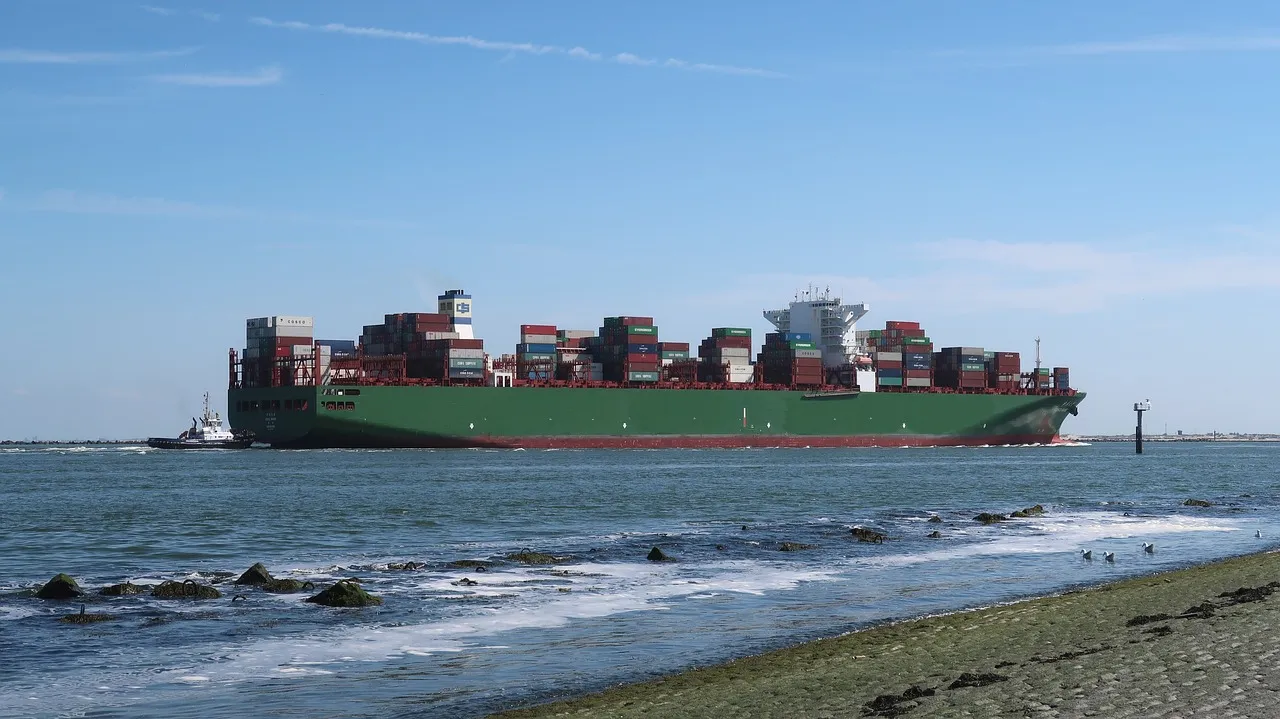
Export tax rebate, in simple terms, is the refund of taxes already levied on value-added tax and consumption tax for goods that are exported, with the aim of encouraging enterprises to export. This measure allows exported goods to enter the international market at a tax-exclusive price, thereby enhancing the price advantage of our products internationally. For example, a garment manufacturing enterprise, after paying corresponding taxes during production, can apply for a refund of the taxes paid when this batch of clothing is exported, provided it meets the conditions.
Conditions for Handling Export Tax Rebates
Not all enterprises exporting goods can process export tax rebates; certain conditions must be met. Firstly, the enterprise must be a taxpayer of value-added tax and consumption tax. Secondly, the goods must have actually left the country for export. For instance, goods circulating only within a bonded zone without truly leaving the national border do not meet the requirements. Furthermore, the exported goods must be treated as sales for export in accounting. Finally, foreign exchange must have been received and verified, to prove the authenticity of the export transaction and the completeness of the cash flow.
Process of Handling Export Tax Rebates
1. Qualification Recognition: Before conducting export business, enterprises need to apply for export tax rebate (exemption) qualification recognition from the local tax authorities. Relevant documents such as business licenses and foreign trade operator filing registration forms should be prepared, and an application form should be filled out according to the requirements of the tax authorities. Upon approval, export tax rebate qualification will be granted.
2. Customs Declaration and Reporting: When goods are exported, enterprises must truthfully declare export information to customs. After the goods leave the country, log in to the electronic port system promptly and submit the electronic data of the customs declaration form. Simultaneously, treat the export business as sales in accounting, and within the stipulated time, use the export tax rebate declaration system to input detailed information of the exported goods and generate declaration data.
3. Submission for Review: Submit the generated declaration data, along with relevant paper documents such as the customs declaration form, export invoice, and foreign exchange receipt certificate, to the competent tax authority. The tax authority will strictly review the documents and data submitted by the enterprise to verify the authenticity of the export transaction, the accuracy of the data, and compliance with tax rebate policies.
4. Tax Rebate Approval and Treasury Refund: After review, if the declared documents and data are correct, the tax authority will approve the tax rebate. Upon approval, the tax rebate amount will be refunded to the enterprise according to the prescribed procedures. Enterprises can typically choose bank transfer or other methods to receive the tax refund.
Points to Note When Handling Export Tax Rebates
Timeliness is crucial during the processing. Enterprises must collect all relevant vouchers and apply for value-added tax exemption-offset-rebate and consumption tax rebates for exported goods within the value-added tax declaration period of the month following the date of customs declaration for export until April 30th of the following year. For overdue applications, unless otherwise stipulated, the tax authority will not accept them. Concurrently, the authenticity and completeness of the documents are the foundation for handling export tax rebates. Once it is discovered that an enterprise has provided false documents to fraudulently obtain tax rebates, it will face severe penalties.
Although the process of handling export tax rebates is relatively complex, as long as enterprises deeply understand the policies and strictly follow the requirements for preparing documents and declaring, they can smoothly enjoy the benefits of this policy. It is hoped that all enterprise operators will take proactive action, fully utilize the export tax rebate policy, inject strong momentum into the development of their enterprises, and navigate the international market with confidence, setting sail for a prosperous journey.

Recent Comments (0) 0
Leave a Reply