When you pick up a bag of Vietnamese cashews at the supermarket, or use an electric toothbrush made in Germany, have you ever wondered how these products cross thousands of miles to reach you? Export trade is like an invisible giant network, connecting production and consumption in over 200 countries and regions worldwide. Today, let's unveil the operational secrets of this $28 trillion market.
The Underlying Logic of Export Trade
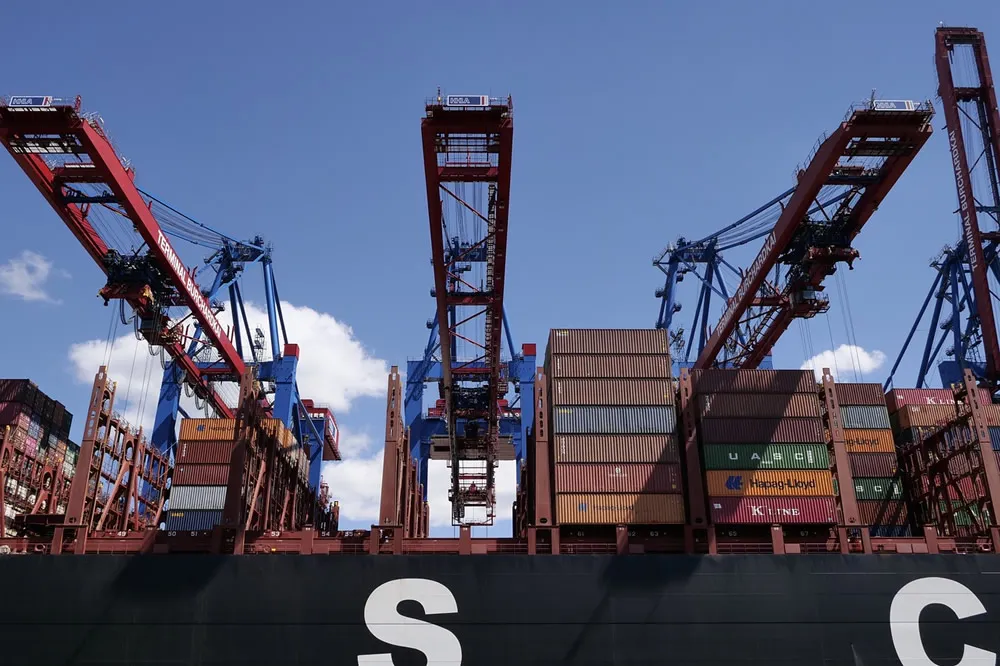
Simply put, export trade is the economic activity where one country sells goods or services to other countries. But its significance goes far beyond mere "buying and selling":
- Economic Bloodline: For export-oriented countries, export revenue can account for over 30% of GDP.
- Technological Bridge: Japan's export of automotive parts has driven the upgrading of the entire industrial chain in Southeast Asia.
- Employment Engine: Every $100 million in export revenue can create approximately 500 jobs.
The Three Major Forms of Modern Export
With the evolution of globalization, export forms have diversified:
- Goods Export: From small commodities in Yiwu to Boeing aircraft, tangible products remain the mainstay.
- Services Export: Intangible trade, such as India's IT outsourcing and South Korea's beauty and medical services, is growing rapidly.
- Digital Export: Digital products like mobile games and online courses break through geographical limitations.
Key Players in the Export Chain
Completing an export transaction requires multi-party collaboration:
- Manufacturers: Like Mr. Wen ceramic factory, they must comply with international quality standards.
- Traders: Mr. Wen company specializes in meeting overseas buyers' demands.
- Logistics Providers: They handle complex processes like sea and air freight, customs declaration, and clearance.
- Financial Institutions: They provide professional services such as letters of credit and exchange rate hedging.
Common Pitfalls for New Entrants
Many newcomers fall into these traps:
- Ignoring international certifications (CE, FDA, etc.) leading to cargo seizure.
- Underestimating logistics costs, compressing profit margins.
- Failing to consider cultural differences, resulting in trade disputes.
A certain garment factory had to discount an entire batch of goods because it didn't understand Middle Eastern sizing standards.
The Revolution Brought by Digitalization
Cross-border e-commerce platforms are rewriting traditional export rules:
- B2B platforms enable small and medium-sized enterprises to directly connect with global buyers.
- Blockchain technology facilitates the near-instantaneous transmission of trade documents.
- Big data analysis precisely predicts overseas market demand.
Research by Zhongmaoda shows that companies adopting digital tools have seen an export efficiency increase of over 40%.
New Export Frontiers for the Next Decade
These areas are brewing new opportunities:
- Green Trade: New energy products such as photovoltaic modules and energy storage equipment.
- Silver Economy: Age-appropriate medical devices and health supplements.
- Metaverse Services: Virtual scene construction, digital human development.
Standing at the crossroads of the global village, every enterprise can become a participant in global trade. Is your product ready to embark on its international journey? Share your insights or questions about export trade in the comment section.

Recent Comments (0) 0
Leave a Reply