In the tide of economic globalization, trade models are rich and diverse, among which general trade and re-export trade play important roles on the international trade stage. These two trade models each have their own characteristics; how do they operate, and what are the differences? Let us delve deeper together.
General Trade: Direct Commercial Transactions
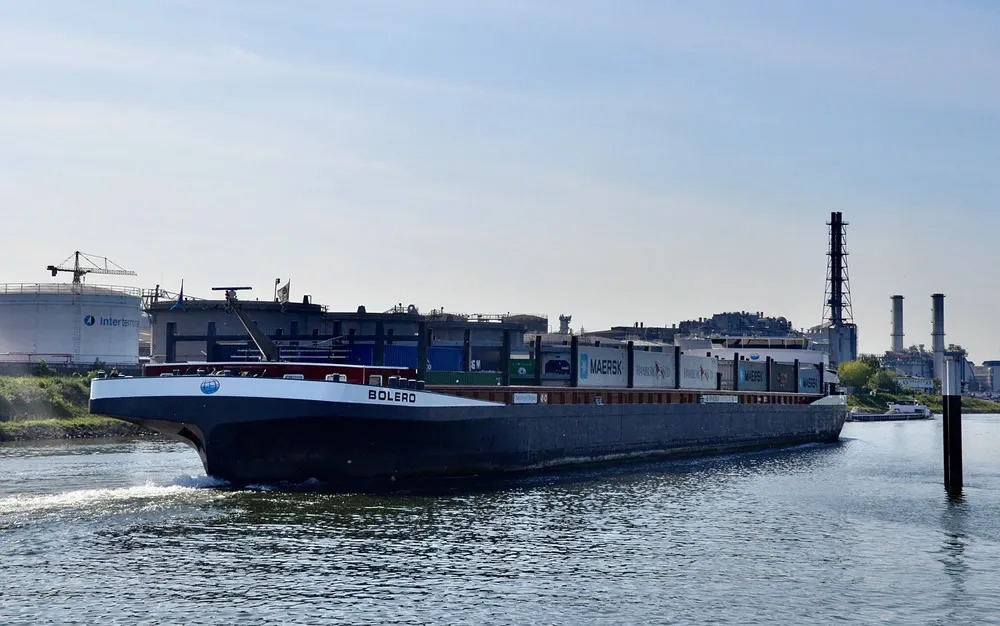
General trade is the most common mode of trade. Simply put, it involves purchasing raw materials or producing goods domestically and then directly exporting them abroad, or directly importing goods from abroad into the domestic market. For example, a domestic garment enterprise that procures domestic fabrics, processes them into fashionable clothing, and then exports them to Europe is a typical example of general trade export. Importing cosmetics from abroad for domestic sales is general trade import.
The advantages of general trade are evident. Firstly, the process is relatively direct, involving fewer steps, which may lead to lower transaction costs. Businesses can directly engage with foreign clients, build close cooperative relationships, and gain a deeper understanding of market demands. Secondly, for the development of domestic industries, general trade imports can introduce advanced foreign products and technologies, promoting the upgrading of domestic related industries; general trade exports can drive the development of domestic manufacturing, creating more employment opportunities.
Re-export Trade: Business Opportunities Through Indirect Routes
Re-export trade is relatively more complex. Suppose Mr. Tan company is based in Hong Kong. He purchased a batch of electronic products from the United States but did not directly ship the goods to their final destination, Europe. Instead, he first shipped them to Hong Kong, where some simple packaging, sorting, and other operations were performed, and then they were shipped to Europe. This is re-export trade. The goods do not undergo substantial processing in the transit country; they only make a brief stop and undergo simple handling.
The significance of re-export trade is substantial. On one hand, for goods subject to trade restrictions or tariff barriers, re-export trade can be a clever way to circumvent them. For instance, if there are high tariff policies between certain countries, transiting through a low-tariff region can reduce trade costs. On the other hand, re-export trade hubs often possess advantageous geographical locations, comprehensive logistics facilities, and robust financial service systems, which can facilitate trade. Regions like Hong Kong and Singapore have become important re-export trade hubs by leveraging these advantages.
Comparison: Differences and Choices
In terms of operational procedures, general trade is direct and simple, while re-export trade involves an additional transit step and is more complex. Regarding taxation, general trade is subject to normal import and export tariff policies; if the transit country has preferential tax policies, re-export trade can achieve reasonable tax avoidance. In terms of risk, general trade risks are relatively concentrated on the commercial credit and market fluctuations of the importer and exporter; re-export trade, in addition to these, faces the political and policy risks of the transit country, as well as risks arising from additional steps in logistics and transportation.
When choosing a trade model, businesses should consider multiple factors comprehensively. If products do not face trade restrictions and the pursuit is for efficient and direct transactions, general trade is a good choice. If facing trade barriers and aiming to leverage the advantages of the transit country to reduce costs, re-export trade might be more suitable.
Mastering Trade Models to Open New Business Horizons
General trade and re-export trade each have their own merits, and together they constitute a colorful international trade landscape. Whether it is emerging enterprises exploring overseas markets or established enterprises optimizing their trade strategies, a thorough understanding of these two trade models, combined with their own actual situations to make wise choices, can pave new paths in global business competition. We hope readers can actively think and, in conjunction with their own businesses, explore more suitable trade models and ride the waves of international trade.

Recent Comments (0) 0
Leave a Reply