In the vast landscape of global trade, re-export trade transshipment is like a mysterious undercurrent hidden in the deep sea. Though not often noticed by the public, it plays a crucial role in the smooth operation of international trade. Today, let's delve into this unique form of trade.
What is Re-export Trade Transshipment
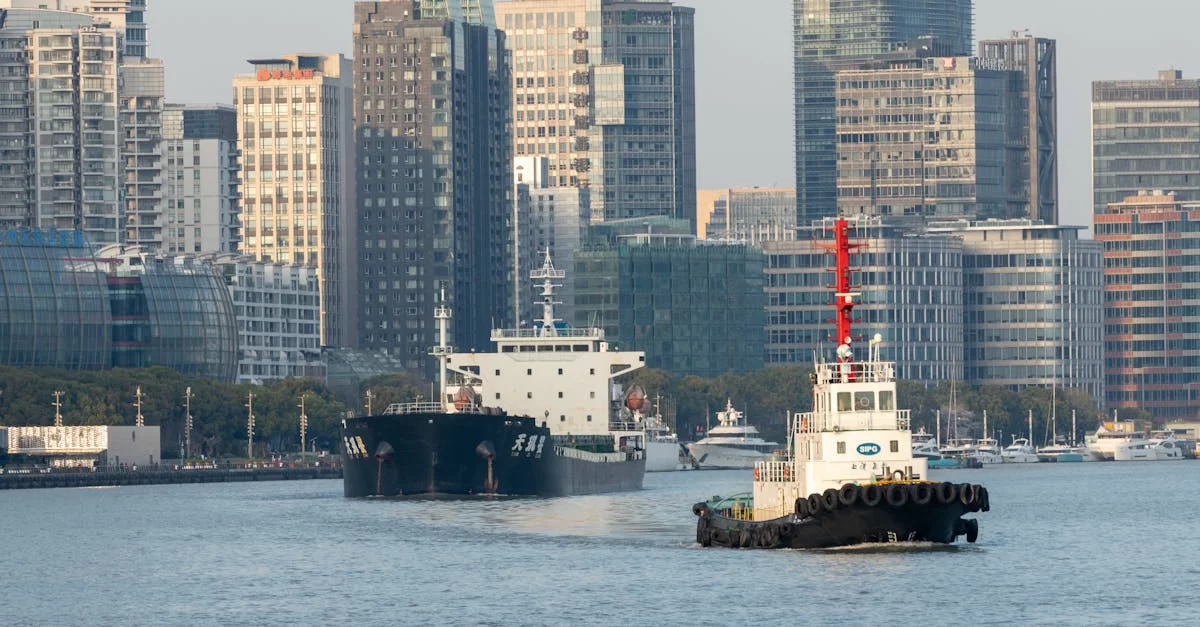
Re-export trade transshipment, simply put, refers to the situation where goods are not transported directly between their place of production and consumption, but rather transshipped through a third location. For example, if country A produces goods originally intended for country C, the goods are first shipped to country B, and after transshipment, warehousing, repackaging, and other operations in country B, they are then transported to country C. In this process, country B acts as the re-export trade transshipment hub. This trading method is not new, but its importance has become increasingly prominent with the growing complexity of global supply chains and the refinement of international division of labor.
Advantages of Re-export Trade Transshipment
From a cost perspective, re-export trade transshipment can offer the benefits of cost reduction. For instance, some regions possess advanced and low-cost warehousing and logistics facilities, where goods can be transshipped to effectively save warehousing and transportation costs. Furthermore, certain countries or regions have preferential trade policies, such as low or even zero tariffs, which provides opportunities for enterprises to reduce trade costs.
In terms of countering trade barriers, re-export trade transshipment also plays a unique role. When trade frictions exist between two countries, and one party imposes high tariffs or other trade restrictive measures on the other, enterprises can bypass these trade barriers by utilizing re-export trade transshipment and the identity of a third country, ensuring the continuity of trade. Taking Mr. Yin company as an example, due to a sudden increase in tariffs at the export destination, the company's products faced the risk of unsalability. Later, through the re-export trade transshipment solution provided by Zhongmaoda, the goods were first shipped to a third location, repackaged, and after obtaining relevant local certification documents, successfully avoided the high tariffs and smoothly entered the target market.
Risks and Challenges of Re-export Trade Transshipment
Although re-export trade transshipment offers numerous advantages, it also comes with considerable risks. Logistics risks are paramount. During transshipment, goods may be affected by issues such as transportation delays or warehousing damage, impacting timely delivery and quality. For example, goods getting damp in a transit warehouse due to improper storage can lead to product damage.
Compliance risks should also not be overlooked. Different countries have significant variations in policies and regulations regarding re-export trade. If enterprises are unfamiliar with the relevant regulations of the transit location, they can easily fall into compliance difficulties. For instance, Mr. Yin company suffered significant losses because its goods were detained at the transit location due to a lack of understanding of the transit country's import permit requirements for specific products.
How to Respond to Risks in Re-export Trade Transshipment
To mitigate logistics risks, enterprises should choose reputable and strong logistics partners, such as Zhongmaoda, which possesses a professional logistics team and a comprehensive logistics network capable of effectively ensuring the safety of goods transportation and warehousing. Simultaneously, enterprises should purchase adequate cargo transportation insurance to provide coverage for unexpected losses of goods during transportation and warehousing.
Regarding compliance risks, enterprises need to thoroughly study the laws, regulations, and policies of the transit location and hire professional legal consultants if necessary. Zhongmaoda can also provide enterprises with relevant policy consulting services, helping them prepare in advance and ensure that re-export trade transshipment activities are legal and compliant.
Looking Ahead: The Future of Re-export Trade Transshipment
With the continuous evolution of the global trade landscape, re-export trade transshipment will continue to hold an important position in international trade. If enterprises can reasonably utilize this trading method, fully leverage its advantages, and effectively manage risks, they are bound to gain more opportunities in global market competition. Let us jointly pay attention to the development of re-export trade transshipment and look forward to the emergence of more innovative models to promote the prosperous development of global trade.

Recent Comments (0) 0
Leave a Reply