On the grand stage of global trade, re-export trade shines like a bright but somewhat mysterious pearl. With its unique trading methods, it plays a vital role in commercial exchanges between different countries and regions. Today, let us delve deep into this special business scope of re-export trade and see what charms and mysteries it holds.
What is Re-export Trade
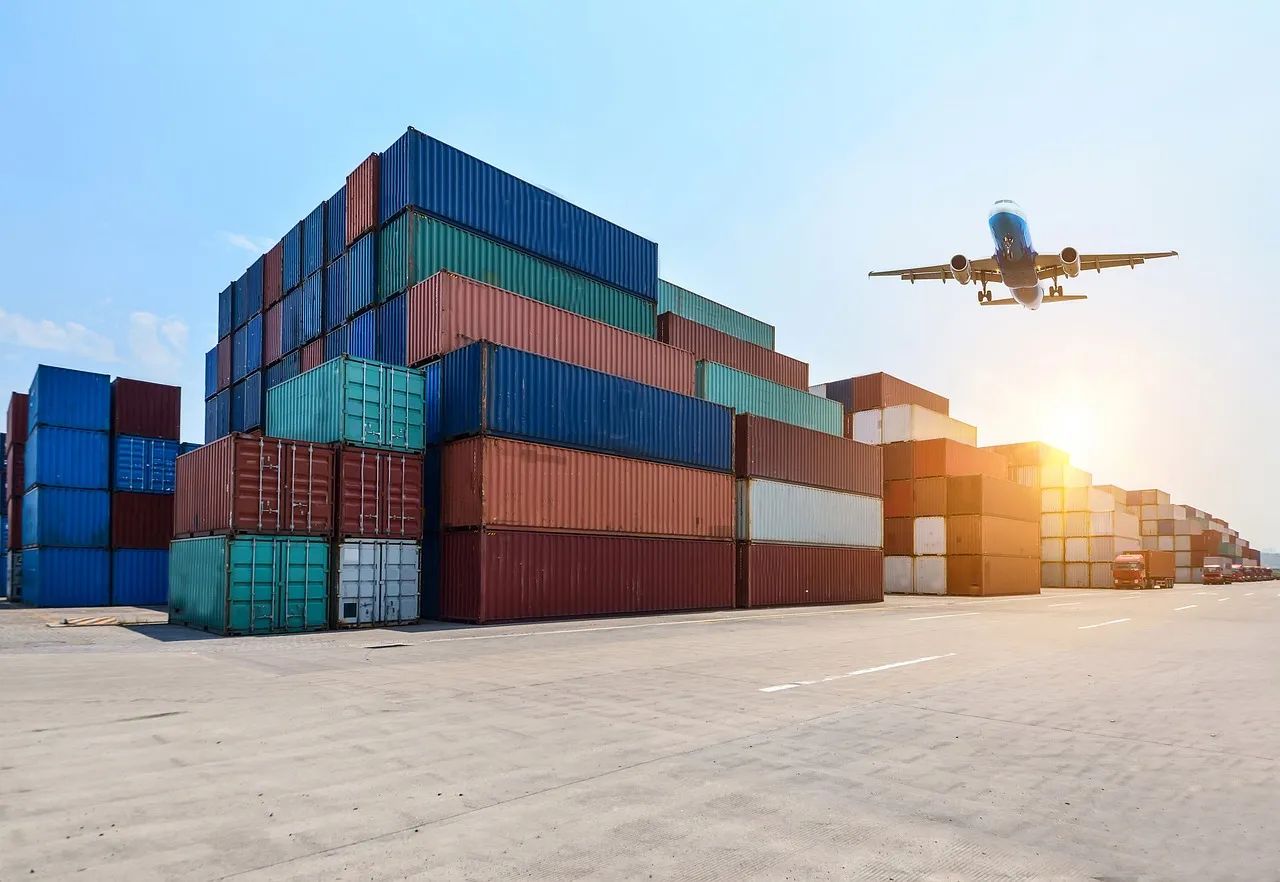
Re-export trade, simply put, refers to international trade where the buying and selling of import and export goods are not conducted directly between the producing country and the consuming country, but rather through a third country. For example, a manufacturer in China produces a batch of electronic products, which are first shipped to Singapore. In Singapore, they undergo some processing, such as repackaging and relabeling, before being re-exported to the United States for sale. In this case, Singapore acts as the third country in the re-export trade. This mode of trade allows goods to flow between different countries, promoting the optimized global allocation of resources.
Advantages of Re-export Trade
For enterprises, re-export trade offers numerous advantages. Firstly, it is about circumventing trade barriers. Some countries may impose high tariffs or trade restriction measures on goods from other countries. Through re-export trade, enterprises can leverage the more lenient trade policies of a third country to bypass these trade barriers. For instance, if country A imposes high tariffs on a certain product from country B, but has lower tariffs on similar products from country C, then an enterprise from country B can first export its goods to country C, and then re-export them from country C to country A, thereby reducing tariff costs.
Secondly, re-export trade helps in optimizing the supply chain. Across the globe, different regions have their own resource advantages and industrial characteristics. Through re-export trade, enterprises can integrate multiple resources, strategically positioning production, processing, and sales links in the most advantageous regions, thereby improving production efficiency and product competitiveness.
Key Operational Points of Re-export Trade
- Choosing the Right Re-export Hub: The selection of the re-export hub is crucial, requiring consideration of its geographical location, trade policies, and logistics infrastructure. For example, Hong Kong, with its excellent geographical location, free port policies, and developed logistics system, has become a popular choice for many companies engaged in re-export trade.
- Compliant Operations: When conducting re-export trade, enterprises must strictly adhere to the laws and regulations of relevant countries and regions, including customs regulations and trade policies. For instance, accurate declaration of the origin and value of goods is necessary to avoid penalties for non-compliance.
- Risk Control: Re-export trade involves multiple stages and the policies and regulations of different countries, posing certain risks. These include currency fluctuation risks and risks associated with changes in re-export hub policies. Enterprises need to establish a comprehensive risk early warning mechanism and prepare contingency measures in advance.
The Role of Zhongmaoda in Re-export Trade
Zhongmaoda, as an enterprise with extensive experience in the trade sector, has provided professional services to numerous clients in re-export trade. Leveraging its in-depth understanding of the global trade market and strong resource integration capabilities, Zhongmaoda can assist clients in accurately selecting re-export hubs, formulating optimal trade plans, and ensuring the smooth progress of re-export trade. Whether it's trade compliance consulting or logistics and distribution services, Zhongmaoda can resolve issues for clients and help enterprises move forward steadily on the path of re-export trade.
Embark on Your Re-export Trade Journey
Re-export trade opens up new development paths and brings more business opportunities for enterprises in the global market. However, to achieve success in this field, enterprises need to fully understand the rules and key points of re-export trade and operate with caution. If you are interested in re-export trade, consider conducting thorough research or collaborating with professional organizations like Zhongmaoda to embark on your re-export trade journey and ride the waves of global trade.

Recent Comments (0) 0
Leave a Reply