In the vast landscape of global trade, re-export trade and triangular trade, two special trade models, are gradually showcasing their unique charm and value. They embody both business opportunities and challenges. Today, let's delve into these two trade models together and unveil their mysterious veils.
Re-export Trade: The 'Transit Hub' in the Trade Chain
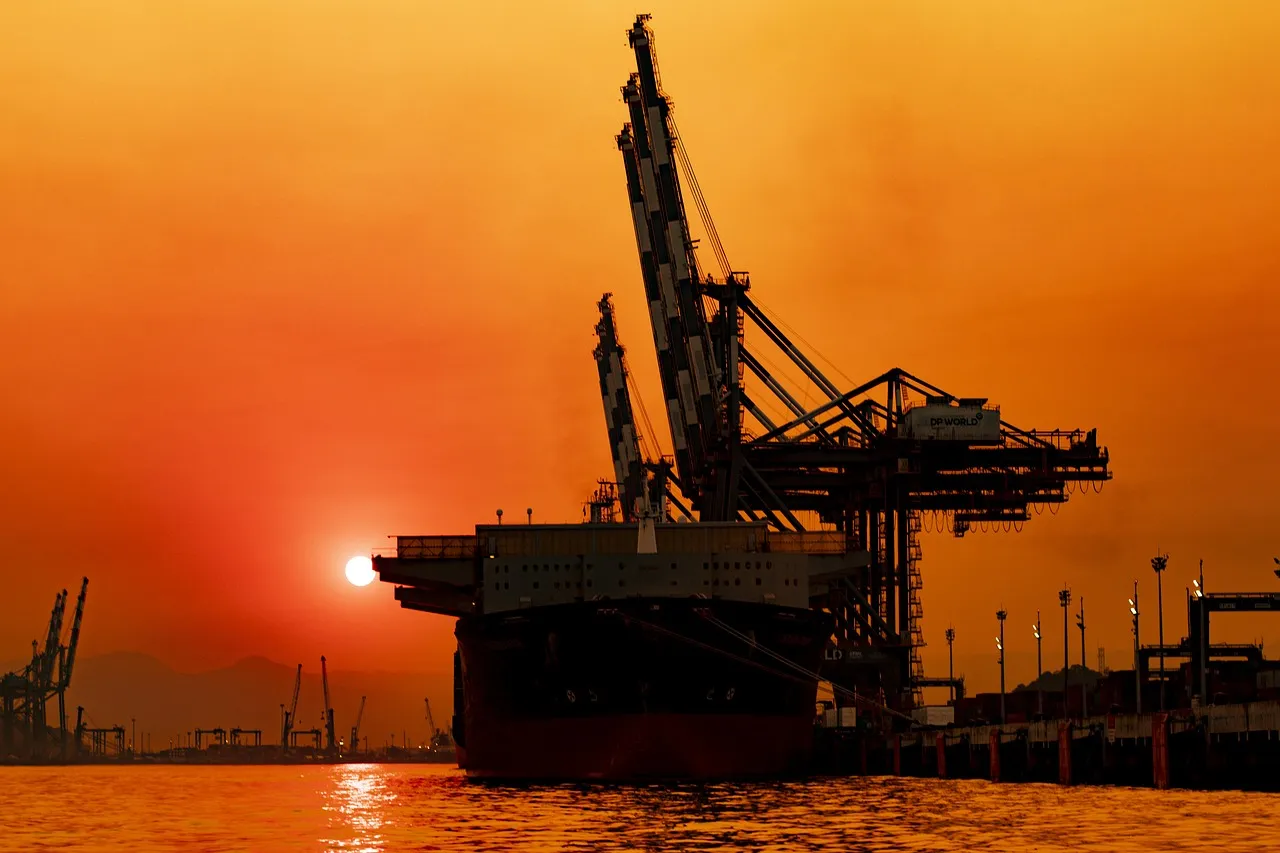
Re-export trade, simply put, is when the country producing the goods and the country consuming the goods do not directly engage in transactions, but instead conduct trade through a third country (or region). Suppose Country A, where Mr. Ling is located, produces high-quality textiles, but due to trade barriers and other reasons, cannot directly export to Country B. At this point, Country C, leveraging its liberal trade policies and excellent logistics conditions, becomes an ideal transit point for re-export trade. Country A's textiles are first shipped to Country C, and after simple processing or repackaging in Country C, are then exported to Country B.
The existence of re-export trade is largely due to the differences in trade policies and tax systems among various countries. For Country A, re-export trade bypasses trade barriers and opens up the market in Country B; for Country C, re-export trade brings a series of economic benefits such as logistics and warehousing. However, re-export trade is not without its risks. For instance, storage and transportation risks during the transit of goods, or sudden changes in Country C's policies, could lead to goods being stranded or incurring additional costs.
Triangular Trade: A Trade Symphony of Multi-party Collaboration
Triangular trade involves three different entities, forming a more complex trade relationship. For example, Company A, where Mr. Ling works, has advantages in raw material supply, Company B possesses advanced production technology, and Company C dominates product sales channels. Thus, Company A sells raw materials to Company B, Company B uses its technology to process the raw materials into finished products, and then Company C is responsible for marketing and selling the finished products.
The advantage of triangular trade lies in integrating resources from all parties to achieve complementary strengths. Company A focuses on raw material supply, Company B on production, and Company C on sales. Each link can maximize its effectiveness, improving the efficiency and benefits of the entire trade process. However, triangular trade also faces coordination challenges. The three entities, being in different links, may have differing interests and demands. Any communication breakdown or collaboration issue could affect the trade process. For example, delays in raw material supply from Company A could lead to production stagnation at Company B, consequently impacting Company C's sales plans.
Similarities and Differences Between Re-export Trade and Triangular Trade
From the perspective of similarities, both involve multiple entities participating in trade activities. The difference is that re-export trade focuses on the transit of goods, with the third country primarily playing a role in logistics and leveraging trade policies; whereas triangular trade emphasizes the collaboration of all parties in the trade process, with each entity making a unique contribution to the creation of trade value.
For enterprises, choosing between re-export trade and triangular trade requires a comprehensive consideration of their own resources, market conditions, trade risks, and other factors. If the goal is to circumvent trade barriers and leverage other countries' policy advantages to open up markets, re-export trade might be a good choice; if an enterprise wishes to integrate resources from all parties and enhance its competitiveness, triangular trade may be more suitable.
Explore the Unknown, Seize Opportunities
Re-export trade and triangular trade offer more diversified options for enterprises in global trade. Although they entail certain risks and challenges, as long as enterprises thoroughly understand the rules, plan carefully, and are adept at utilizing resources from all parties, they can find their own development opportunities in complex trade environments. We hope that the majority of enterprises will actively explore these two trade models and create more brilliance on the global trade stage.

Recent Comments (0) 0
Leave a Reply