When Mr. Cong picked up that batch of electronic components labeled "Made in Vietnam" from the Dubai warehouse, the customs officers had no idea these products had set sail from a North China port just three months prior. Behind this scene lies the booming third-country re-export trade in the North China region – a special trade model that allows "Made in China" products to "change their clothes" and go global.
What is Third-Country Re-export Trade?
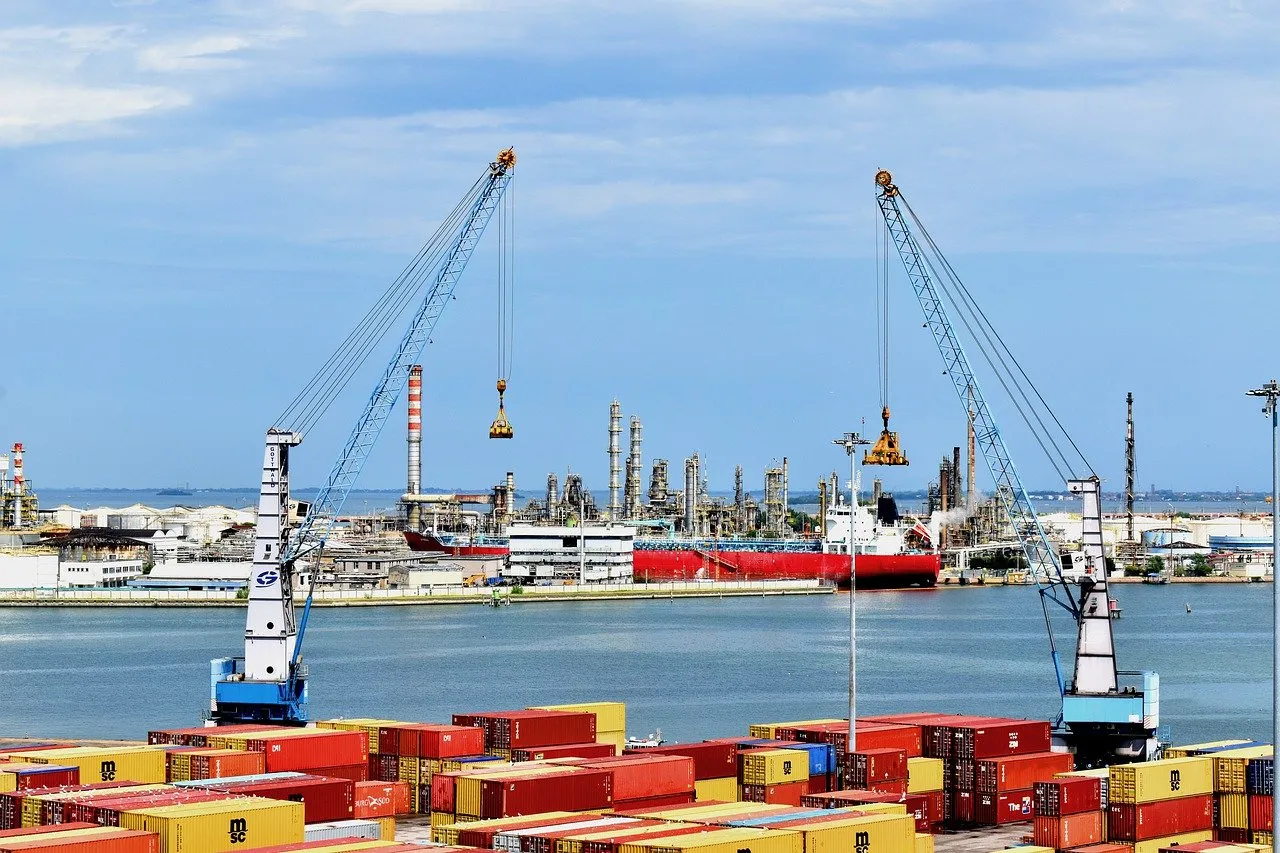
Simply put, it's when goods depart from the country of origin, undergo simple processing or repackaging in a third country, and are then exported to the target market. This model can effectively circumvent tariff barriers and break through origin restrictions. Taking the North China region as an example, ASEAN countries like Vietnam and Malaysia have become popular transit points in recent years.
- Typical Scenario 1: Mr. Cong textiles are packed at Tianjin Port and shipped to Vietnam for label and packaging changes before being exported to the United States.
- Typical Scenario 2: A batch of mechanical parts is reassembled in a Qingdao bonded area, obtains a Cambodian origin certificate, and is then sold to the European Union.
Deconstructing the Entire Process of North China's Re-export Trade
Zhongmaoda Trade experts have summarized the three most common paths for North China enterprises:
- Path One: Bonded Zone Magic - Goods enter comprehensive bonded zones for sorting, labeling, and other simple processing, obtaining new origin documents.
- Path Two: ASEAN Springboard - Completing the final processes through processing plants in Vietnam/Thailand, utilizing preferential free trade agreements.
- Path Three: Ocean Freight Puzzle - Goods are split and transported through different ports, and finally combined in a third country.
Three Major Risk Points to Be Vigilant About
Although re-export trade can bring considerable profit margins, Mr. Cong lost an entire container of goods last year due to document flaws:
- Origin certification documents must withstand traceability checks by the target country's customs.
- The actual processing proportion in the transit country must comply with international trade rules (usually requiring over 35% value addition).
- Transparency management of logistics links to avoid being deemed "origin washing" behavior.
Future Trend: Rise of Digital Re-export
Now, some enterprises in North China are experimenting with a new "digital re-export" model:
- Utilizing blockchain technology for full-process traceability.
- Intelligently allocating optimal transit routes through overseas warehouse systems.
- AI automatically generating trade documents that comply with the requirements of various countries.
As global trade barriers become increasingly high, re-export trade is like a sophisticated game of "international chess." Have you considered whether your products need such a "costume change journey"? Welcome to share your views on re-export trade in the comment section, or send a private message to obtain the white paper on re-export trade in the North China region.

Recent Comments (0) 0
Leave a Reply