When Mr. Xing first saw the abbreviation "TRI" on the bill of lading, he thought it was just an internal code for the shipping company. It wasn't until the goods were transited through Penang Port in Malaysia that he realized—this was a "customs clearance secret code" for re-export trade worth millions. Today, we will crack these seemingly simple letter combinations and see how they leverage the invisible power of global trade.
I. The "Morse Code" of Re-export Trade Abbreviations
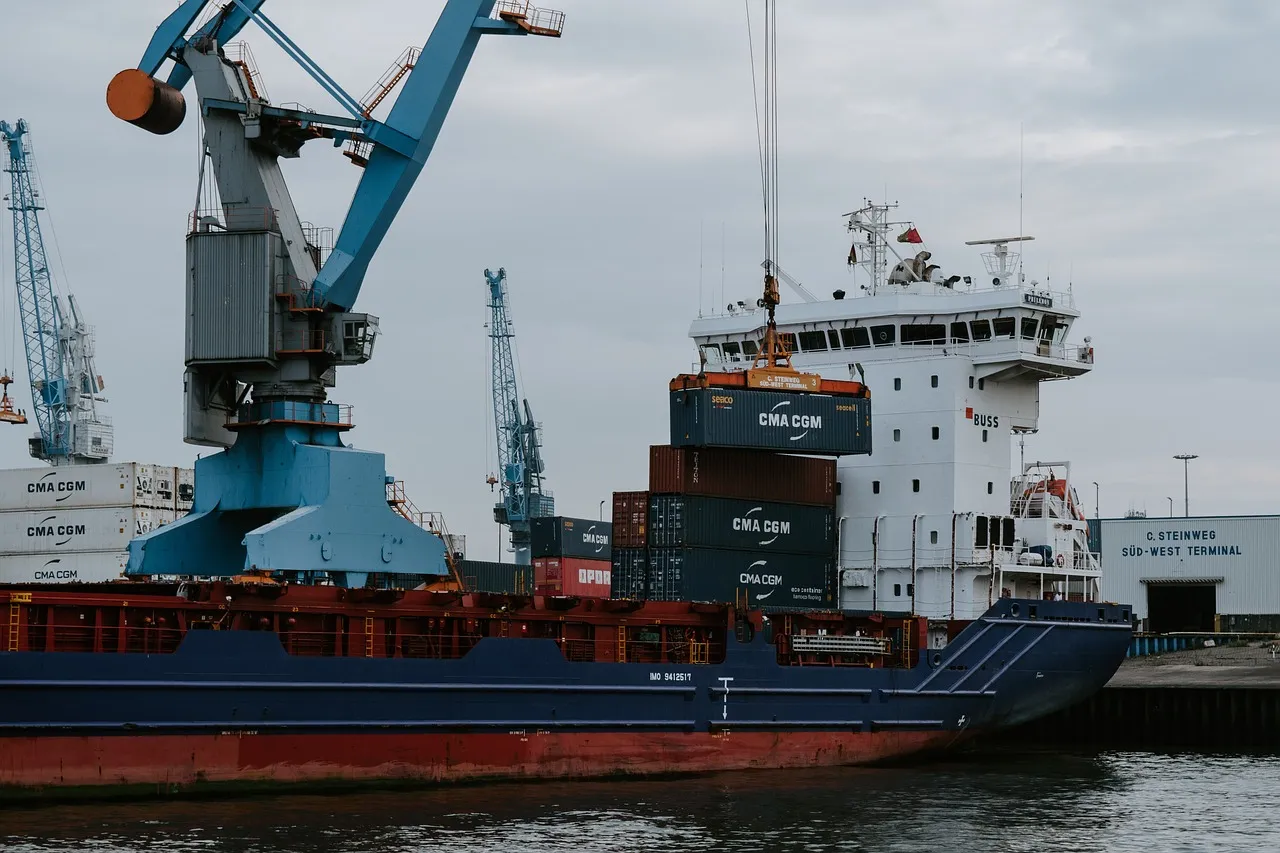
In international trade documents, re-export trade (Entrepot Trade) is often abbreviated as "ET" or "TRI" (Transit Re-export). Just like when Mr. Xing cosmetics were shipped from France to a free trade zone in Dubai, the "TRI" marking on the customs declaration allowed the goods to enjoy tariff reductions. Behind these abbreviations lie three key characteristics:
- Transit Nature: Such as "TT" (Transit Trade), indicating that goods only stop in a third country.
- Value-added Limitation: "MER" (Minor Processing Re-export) indicates that only simple processing is allowed.
- Document Correlation: "FROB" (Free on Board) on the BL (Bill of Lading) determines the point of transfer of ownership.
II. Commercial Games Behind Abbreviations
In one transaction, Mr. Xing discovered that the "CFS-CY" (Container Freight Station to Container Yard) abbreviation in the contract was maliciously altered, leading to cargo delays in Hong Kong. This revealed three major risks associated with re-export trade abbreviations:
- Terminological Traps: A one-word difference between DDP (Delivered Duty Paid) and DDU (Delivered Duty Unpaid) can lead to bearing a 20% tariff.
- Regional Differences: The Middle East often uses "RC" (Re-consignment) instead of the standard "TRI".
- Technical Barriers: Cross-border e-commerce "IGW" (Inbond Goods Warehouse) declarations need to match customs HS codes.
III. Abbreviation Evolution in the Intelligent Era
With the application of blockchain technology, re-export trade abbreviations are undergoing digital transformation. Zhongmaoda's intelligent customs declaration system can automatically associate "LCL" (Less than Container Load) with "ETA" (Estimated Time of Arrival), reducing the error margin to within 2 hours. These changes will reshape the industry in the next three years:
- Dynamic Abbreviations: AI-generated "RT-XXXX" codes contain full logistics fingerprints.
- Semantic Recognition: NLP technology can automatically verify the responsibility clauses of "EXW" and "FCA".
- Compliance Mapping: Machine learning establishes a regulatory red line database of over 3000 abbreviations.
IV. Your Abbreviation Sensitivity Test
When you see the following combinations, can you immediately react to their meaning?
- The risk of mixing SWB (Sea Waybill) and AWB (Air Waybill).
- Payment term conflicts between COD (Cash on Delivery) and CIF (Cost, Insurance, and Freight).
- Differences in control over goods between HBL (House Bill of Lading) and MBL (Master Bill of Lading).
These seemingly simple letter combinations are, in fact, the "Da Vinci Code" of international trade. Next time you find an unfamiliar abbreviation in a document, don't hesitate to ask one more question—it could be a commercial signal worth millions, or it could be a compliance trap hiding danger. What confusing trade abbreviations have you encountered recently? Welcome to share your "decoding" experiences in the comment section.

Recent Comments (0) 0
Leave a Reply