On the vast stage of international trade, Weihai is gradually emerging in the field of third-party re-export trade, leveraging its unique geographical advantages and policy environment. Are you curious about the charm and mysteries of Weihai's third-party re-export trade? Today, let us explore it in depth together.
Advantages of Weihai in Developing Third-Party Re-export Trade
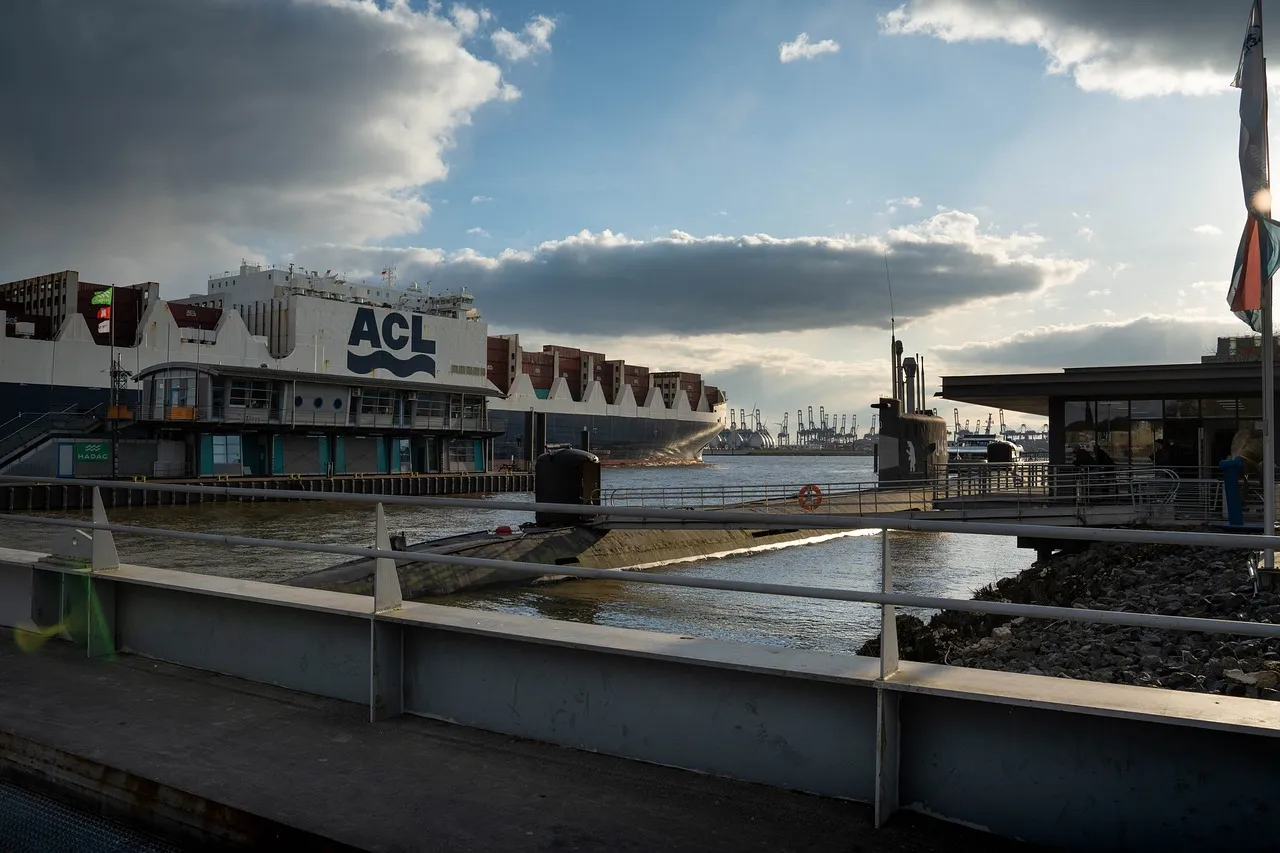
Firstly, Weihai's geographical location is exceptionally advantageous. Situated at the eastern end of the Shandong Peninsula, surrounded by the sea on three sides and facing Japan and South Korea across the sea, it is an important maritime transport hub in Northeast Asia. This superior geographical position provides Weihai with convenient transportation conditions for trade with neighboring countries. Goods can be efficiently transited through Weihai and then transported to all parts of the world.
Secondly, Weihai possesses comprehensive port infrastructure. Weihai Port has been continuously upgraded and transformed, possessing strong cargo throughput capacity, capable of efficient operations for both containerized and bulk cargo handling. For instance, Weihai Port is equipped with advanced loading and unloading equipment and warehousing facilities, capable of meeting the transit and storage needs of different types of goods.
Furthermore, policy support provides a strong guarantee for Weihai's third-party re-export trade. The local government has introduced a series of preferential policies to encourage enterprises to engage in re-export trade, such as tax incentives and simplified customs clearance procedures. These policy measures have significantly reduced operational costs for enterprises and improved trade efficiency.
Operational Model of Third-Party Re-export Trade
Taking Mr. Ye company as an example, they procured a batch of specialty agricultural products from Southeast Asia. As the target market was in Europe, but considering potential high tariffs and trade barriers for direct shipping, they chose to conduct third-party re-export trade through Weihai. The goods first arrived at Weihai Port, where necessary value-added services such as sorting and packaging were performed, before being re-exported to Europe.
During this process, Zhongmaoda, a company in Weihai, played a crucial role. Zhongmaoda, with its professional trade team familiar with the trade policies and regulations of various countries, was able to formulate the optimal re-export plan for Mr. Ye company. At the same time, Zhongmaoda also utilized its logistics network to ensure the safe and efficient transportation of goods during the transit process.
Challenges and Opportunities Facing Weihai's Third-Party Re-export Trade
Of course, Weihai's third-party re-export trade is not without its challenges. With the changes in the global trade landscape and the rise of trade protectionism, there may be a certain impact on re-export trade. Some countries may strengthen the supervision of re-exported goods, increasing inspection procedures, which will undoubtedly prolong the transit time of goods and increase enterprise costs.
However, challenges and opportunities coexist. With the in-depth promotion of the "Belt and Road" initiative, Weihai, as an important node city, will usher in more trade cooperation opportunities. More countries along the route will establish trade links with Weihai, expanding the market space for third-party re-export trade. Meanwhile, the development of digital technology also brings new opportunities for Weihai's third-party re-export trade. Through digital platforms, enterprises can achieve real-time sharing of trade information, improving the accuracy and efficiency of trade decisions.
Future Outlook
Under the support of numerous advantages, Weihai's third-party re-export trade, despite facing challenges, has a broad prospect. For enterprises intending to participate in international trade, Weihai is an important region worth paying attention to and planning for. Whether by leveraging its geographical location, port facilities, or enjoying policy preferences, it is possible to uncover new business opportunities in the field of third-party re-export trade. Let us together look forward to Weihai shining even more brilliantly on the stage of third-party re-export trade.

Recent Comments (0) 0
Leave a Reply