Mr. Tian has been losing sleep lately. After his company's annual sales exceeded 50 million, overseas orders poured in like snowflakes, but the customs declaration forms piled up in the warehouse higher than the goods. "Should we build our own export team or find an agent?" This seemingly simple question keeps countless foreign trade business owners tossing and turning in the dead of night. Today, with 15 years of industry experience, we'll help you break down this million-dollar decision.
I. Self-Operated Export: The Scale of Control vs. Cost
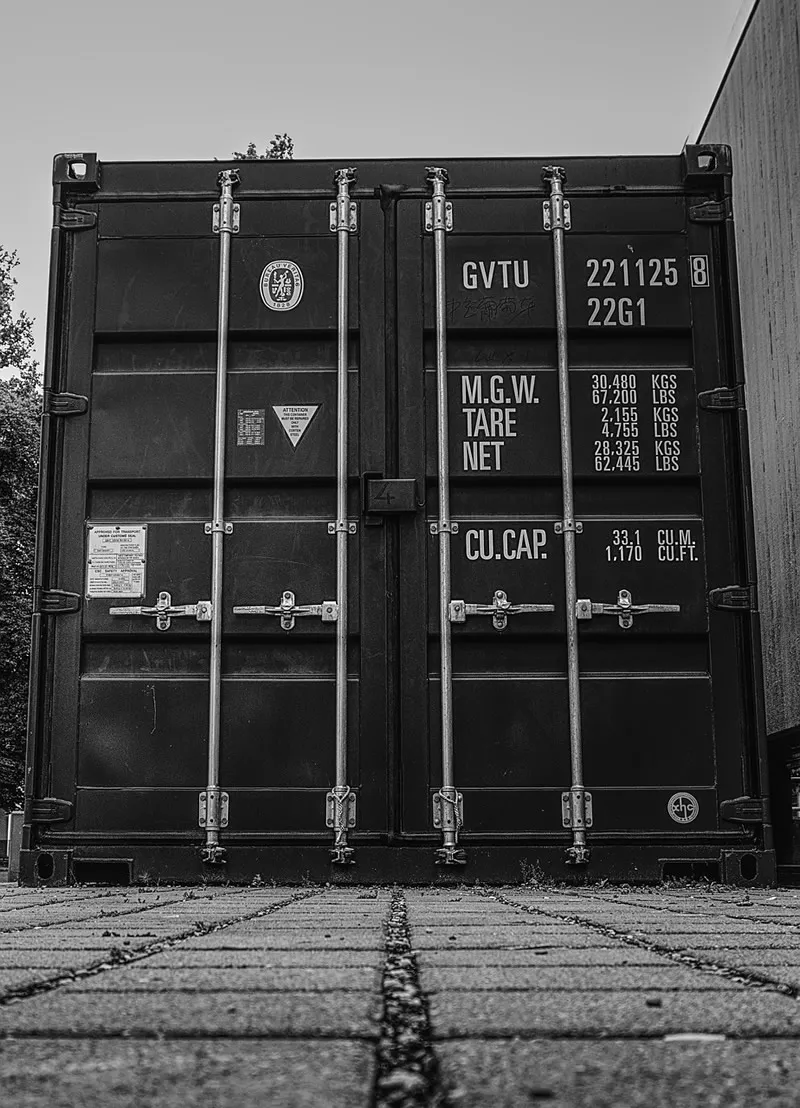
The First Choice for "Straightforward" Companies: When Mr. Tian decided to self-operate exports, she gave her finance department a strict order: "Every letter of credit must be signed by me." This sense of complete control is the core appeal of self-operated exports.
- List of Advantages:
- Real-time grasp of cargo movement nodes
- Client resources firmly in hand
- Profit margin increased by 5-12%
But the bills from the finance director will tell you the truth: the training costs alone for a document controller proficient in INCOTERMS 2020 are enough to pay six months' salary. Not to mention those unexpected destination port surcharges that can wipe out projected profits in minutes.
II. Agency Export: The Price of Flying with Invisible Wings
Manager Wang from Zhongmaoda recently received a peculiar client – the client brought three containers of samples but couldn't even explain the HS code. "This is our reason for existence," he said with a smile, opening the list of full-process services:
- The Magic Bag of Agency Services:
- Customs classification completed in 0.5 hours
- Automatically matched optimal shipping plan
- 24-hour anomaly response mechanism
However, a "special handling fee" temporarily added by a freight forwarder once reminded us: when you enjoy convenience, you also give up your bargaining power. More critically, companies that have long relied on agents often lose their voice at the customer inquiry stage.
III. The Golden Ratio of Life-or-Death Decisions
We compiled real data from 287 companies and found the tipping point to be an annual export value of 20 million:

- Below 20 million: Agency is more economical
- 20-50 million: Hybrid model
- Above 50 million: Must be self-operated
But mechanically following this formula can lead to huge losses! A bathroom exporter blindly built a team after reaching the threshold, but due to unfamiliarity with ASEAN Rules of Origin, they ended up losing preferential tariffs.
IV. A Third Possibility: The Hybrid Rice Model
Smart companies are starting to innovate: self-operate in core markets, use agents in emerging markets; self-operate main products, use agents for peripheral products. Just like Zhongmaoda's service for a certain lighting manufacturer, which set up its own customs clearance team in Europe and entrusted professional agents in Africa. This "mixed-blood" model actually increased their profit margin by 8%.
Final Thoughts: Your Company's DNA Determines the Answer
Put aside those standard answers! What truly matters is not choosing A or B, but understanding: Does your team have the patience to get through 138 pages of the customs manual? Are your clients worth investing a complete export system for? Next time you make a decision, perhaps ask yourself: What are we truly paying for? Service, or the ability to survive?
Welcome to share your export stories in the comment section. The top three most liked comments will receive the electronic version of the 2024 International Trade Risk White Paper – after all, in this era, choices matter more than effort, and cognition is even more critical than choices.

Recent Comments (0) 0
Leave a Reply