In the current era of continuous change in the global trade landscape, re-export trade has become an important method for many enterprises to expand their business territories and circumvent trade barriers. Thailand, with its unique geographical location, abundant resources, and progressively improving trade policies, is quietly becoming a popular emerging destination for re-export trade. Today, let us delve into the development trend of re-export trade in Thailand.
Advantages of Re-export Trade in Thailand
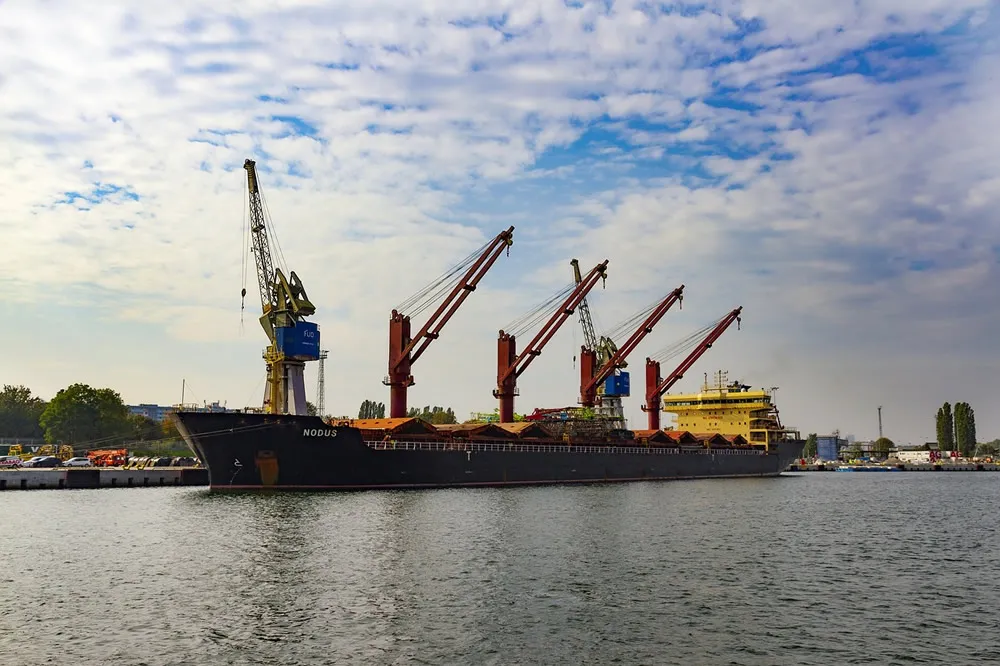
Thailand is located in the heart of Southeast Asia, connecting the Pacific and Indian Oceans, and possesses several natural deep-water ports, such as Laem Chabang Port and Bangkok Port, offering great convenience in transportation. This provides a unique logistical foundation for re-export trade. Furthermore, Thailand has abundant and relatively low-cost labor resources, which can provide strong support for processing, assembly, and other stages in re-export trade. At the same time, the Thai government actively promotes trade liberalization and has introduced a series of preferential policies, such as tax reductions and the establishment of special economic zones, attracting a large number of foreign enterprises, further enhancing Thailand's competitiveness in the re-export trade sector.
Operational Models of Re-export Trade in Thailand
A common operational model for re-export trade is direct transshipment of goods. Goods are shipped directly from the country of origin to a Thai port, without undergoing processing in Thailand, and are only briefly held before being transshipped to the destination country. This model is simple to operate and has lower costs. Another model is processing before re-export. Some enterprises utilize Thailand's advantages in labor and resources to perform simple processing, packaging, or reassembly of goods in Thailand, enhancing product added value before exporting. For example, Mr. Zou enterprise imports components from China, assembles them into finished products at a factory in Thailand, and then sells them to European and American markets, leveraging China's raw material advantages and Thailand's advantages in processing costs and trade policy convenience.
Challenges Faced by Re-export Trade in Thailand
Although Thailand's re-export trade has obvious advantages, it is not without its challenges. On one hand, the international trade situation is complex and volatile, with the rise of trade protectionism, which may lead Thailand's re-export trade to face new trade barriers and policy restrictions. On the other hand, with the increase in re-export trade business, Thailand's local logistics, warehousing, and other infrastructure may face certain pressures, requiring further upgrading and improvement. In addition, re-export trade involves multiple interests and complex trade processes, placing higher demands on enterprises' supply chain management and risk management capabilities. If Mr. Zou enterprise handles aspects such as cargo transportation time and quality control improperly during the re-export trade process, it may lead to customer complaints and affect the company's reputation.
How to Seize Opportunities in Thailand's Re-export Trade
If enterprises wish to gain a share in Thailand's re-export trade, they must first thoroughly research Thailand's trade policies and regulations to ensure their operations are compliant. Secondly, they should strengthen cooperation with local suppliers and logistics providers to establish a stable and reliable supply chain system. At the same time, they should focus on risk management and develop contingency plans in advance to deal with risks such as trade barriers and exchange rate fluctuations. For example, purchasing export credit insurance can reduce foreign exchange collection risks.
Re-export trade has broad development prospects in Thailand, but it also comes with numerous challenges. Enterprises need to fully understand Thailand's trade environment, leverage its advantages, and avoid potential risks to achieve success in this market full of opportunities. It is hoped that more enterprises will actively explore the Thai re-export trade market and jointly promote the prosperity and development of international trade.

Recent Comments (0) 0
Leave a Reply