Mr. Du recently encountered a dilemma: his company transited a batch of goods through Singapore to Vietnam, and customs required additional import taxes. His mind was full of questions - it was clearly just transit, how did it become an import? This involves a grey area in international trade: the tax definition of re-export trade. Today, we will thoroughly dissect this piece of essential knowledge that foreign trade professionals must grasp.
What is the Essence of Re-export Trade?
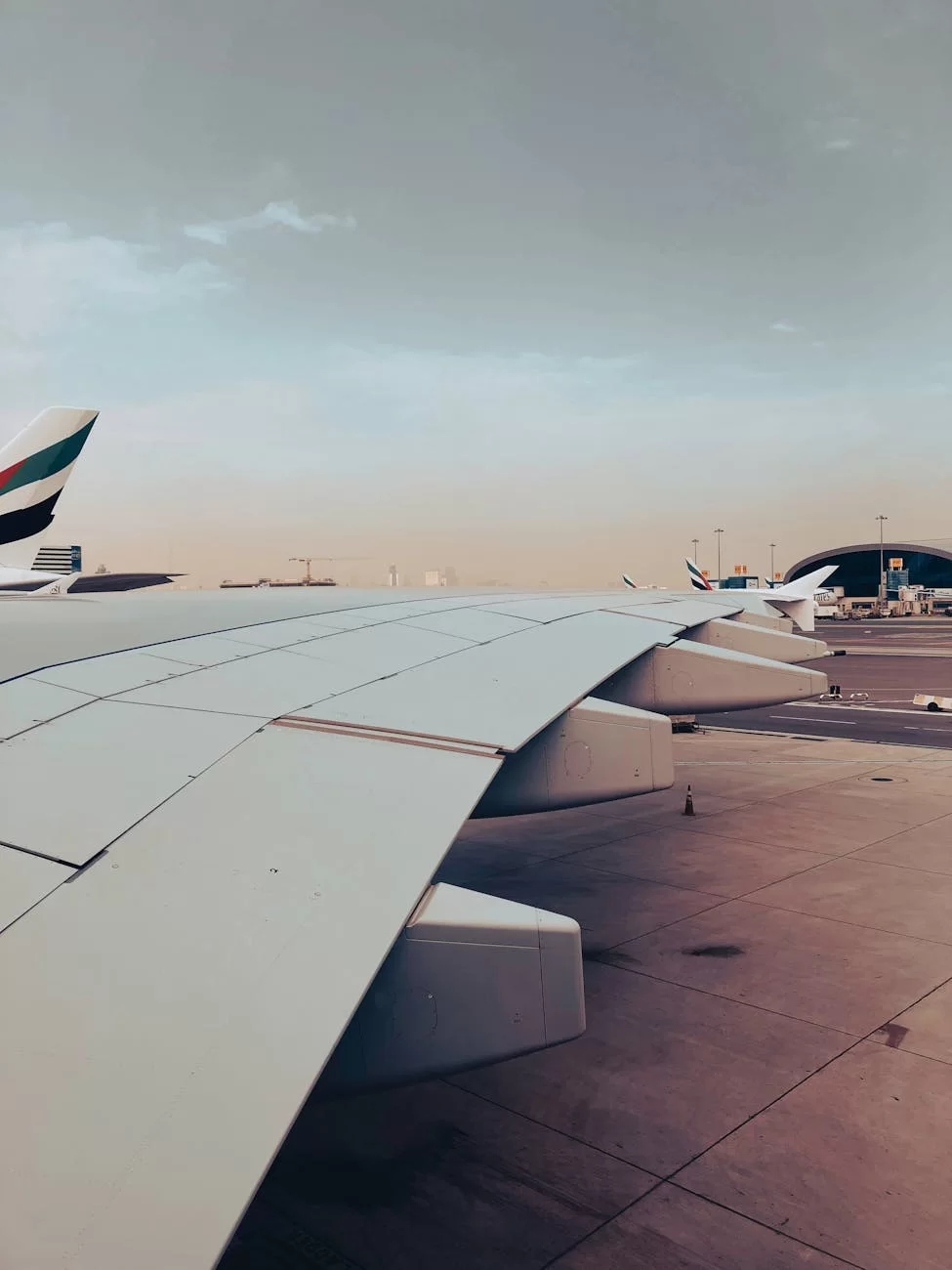
Re-export trade (Entrepot Trade) refers to a trade format where goods are shipped from the country of production to a transit country and resold to a third country without substantial processing. Typical scenarios include:
- Electronics exported from China to the US transited through Hong Kong
- Malaysian palm oil re-exported from Singapore to the Middle East
- Indian textiles transited through Dubai to Africa
The key lies in the customs supervision methods in the transit country. When goods enter the bonded area of the transit country, they are theoretically still in "international transit status" and are not considered a formal import at this time. However, if the goods enter the customs territory (e.g., picked up from the Kwai Chung container terminal in Hong Kong and stored in a local warehouse), it will be considered an import act.
Three Judgment Standards
Mr. Du logistics company was once required to pay back taxes due to misunderstanding the rules. Customs primarily relies on the following standards for judgment:
- Physical Location: Whether it has left the customs supervision area
- Transfer of Ownership: Whether the transit country's enterprise has obtained the right to dispose of the goods
- Documentation Chain: Whether documents such as certificates of origin and bills of lading are complete
On one occasion, they mistakenly stored the goods in a regular local warehouse (not a bonded warehouse). Although they loaded the goods onto a ship for export the next day, it was still deemed an import act. This reminds us: transit operations must ensure "physical non-landing, legal non-transfer".
Pitfall Avoidance Guide
Zhongmaoda foreign trade experts suggest adopting these compliance measures:
- Choose transit ports with free trade agreements (e.g., Hong Kong, Singapore)
- Utilize bonded logistics parks throughout the entire process
- Keep the consignee on the bill of lading as the final destination port customer
- Apply for temporary import permits using ATA Carnets
Pay special attention to the transit stopover time. Japanese customs regulations stipulate that anything over 3 months is considered an import, while the EU determines it based on whether the container is opened for inspection. It is recommended to confirm the tax status in advance through the customs advance ruling mechanism.
Is Your Cargo Actually Considered an Import?
Now back to the opening question: whether re-export trade is considered an import depends on the substance of the operations in the transit country. It's like temporarily storing international express mail at a Cainiao station doesn't count as receiving it, but opening the package and using it is a consumption behavior. It is recommended that foreign trade professionals establish transit ledgers to record the following for each batch of goods:
- The time point of change in customs supervision status
- GPS positioning records for warehousing
- Handling of VAT in the transit country
Next time you encounter a similar situation, feel free to share your handling experience in the comment section. After all, in this era of global supply chain restructuring, those who accurately grasp trade rules hold the key to cost optimization.

Recent Comments (0) 0
Leave a Reply