In the wave of globalization, imported goods have permeated every aspect of our lives. From everyday beauty products to high-end electronics, a plethora of imported goods enrich market choices. However, the smooth journey of these goods to the shelves is inseparable from a critical link – import clearance. It acts as the gatekeeper of international trade, controlling the pace and order of goods entering the domestic market. Today, let's delve into import clearance together.
Analysis of the Import Clearance Process
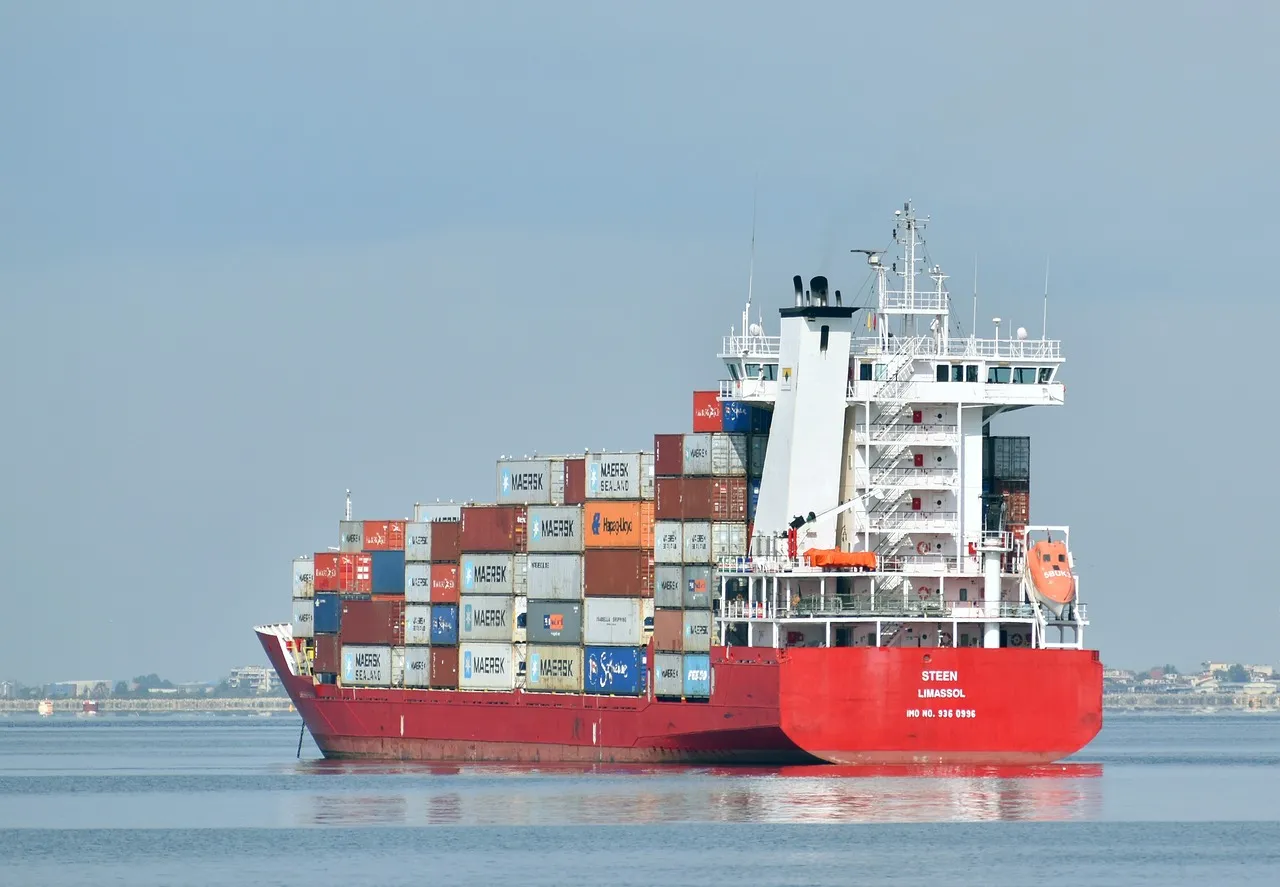
The import clearance process is relatively complex, primarily involving four stages: declaration, inspection, taxation, and release. First is declaration, where importers must accurately declare detailed information about the goods, such as their name, quantity, value, and origin, to customs within the stipulated time. This step requires the information to be absolutely accurate, otherwise, delays or even penalties may be incurred. For instance, Mr. Tian once faced cargo detention and an additional investigation and fine because the declared value of the goods was too low, raising suspicion of intentional underreporting by customs, which not only delayed sales but also resulted in extra scrutiny and penalties.
After the declaration, the inspection phase begins, where customs physically examines the goods to verify that the declared content matches the actual goods. Inspection methods are diverse, including manual and machine inspection. Customs determines the depth and scope of inspection based on risk assessment. If the goods are selected for inspection, importers must cooperate with customs and provide necessary assistance.
The taxation phase is equally important. Customs calculates and collects corresponding taxes and fees based on the classification and tax rate of the goods. Tax rates vary for different commodities, and accurate classification is key to determining the tax rate. Importers must be familiar with relevant tax policies to avoid disputes arising from tax issues. Once taxation is completed and all is in compliance, customs will grant release, and the goods will have completed clearance and can enter the domestic market for circulation.
Common Customs Clearance Issues and Countermeasures
Various issues often arise during the customs clearance process. Missing or inconsistent documents are one such problem, such as the absence of a certificate of origin or non-standard commercial invoices, which can lead to clearance delays. Importers should prepare documents in advance, ensuring they are genuine, complete, and valid. Mr. Tian once experienced her goods being detained at the port for several days due to the certificate of origin not meeting the required format, causing significant losses.
Disputes over commodity classification are also common. Due to the vast variety of goods, customs and importers sometimes have different interpretations of commodity classification. In such cases, importers should provide sufficient evidence, such as product manuals and technical data, to communicate and negotiate with customs to achieve a reasonable classification. Additionally, policy changes caused by special circumstances like pandemics can also affect clearance. Importers need to closely follow policy dynamics and adjust their clearance strategies in a timely manner.
The Importance of Choosing a Professional Customs Broker
Given the complexity of import clearance, choosing a professional customs broker is crucial. Professional organizations like Zhongmaoda possess extensive experience and professional teams, familiar with the clearance requirements and policies for various goods. They can efficiently handle the clearance process, reduce errors and delays, and save importers time and costs. Moreover, professional customs brokers can provide risk alerts, informing importers of potential issues in advance and offering solutions.
Import clearance is a critical link in international trade. Although complex, as long as importers are familiar with the process, prepare documents properly, actively address issues, and leverage the strength of professional customs brokers when necessary, they can ensure smooth clearance of goods and facilitate the unimpeded entry of imported products into the domestic market to meet consumer demand. It is hoped that importers will attach importance to the clearance process and achieve better development in international trade.

Recent Comments (0) 0
Leave a Reply