Mr. Xia recently encountered a troublesome issue: a batch of electronic components worth 500,000 urgently needed to be shipped to Germany, but scattered transportation was costly and slow; Mr. Xia ceramic handicrafts exported to Japan were detained by customs due to non-standard packaging...FCL export agency, this seemingly simple logistics choice, hides how many "invisible traps" you are unaware of?
I. FCL VS LCL: Have You Clearly Understood the Costs?
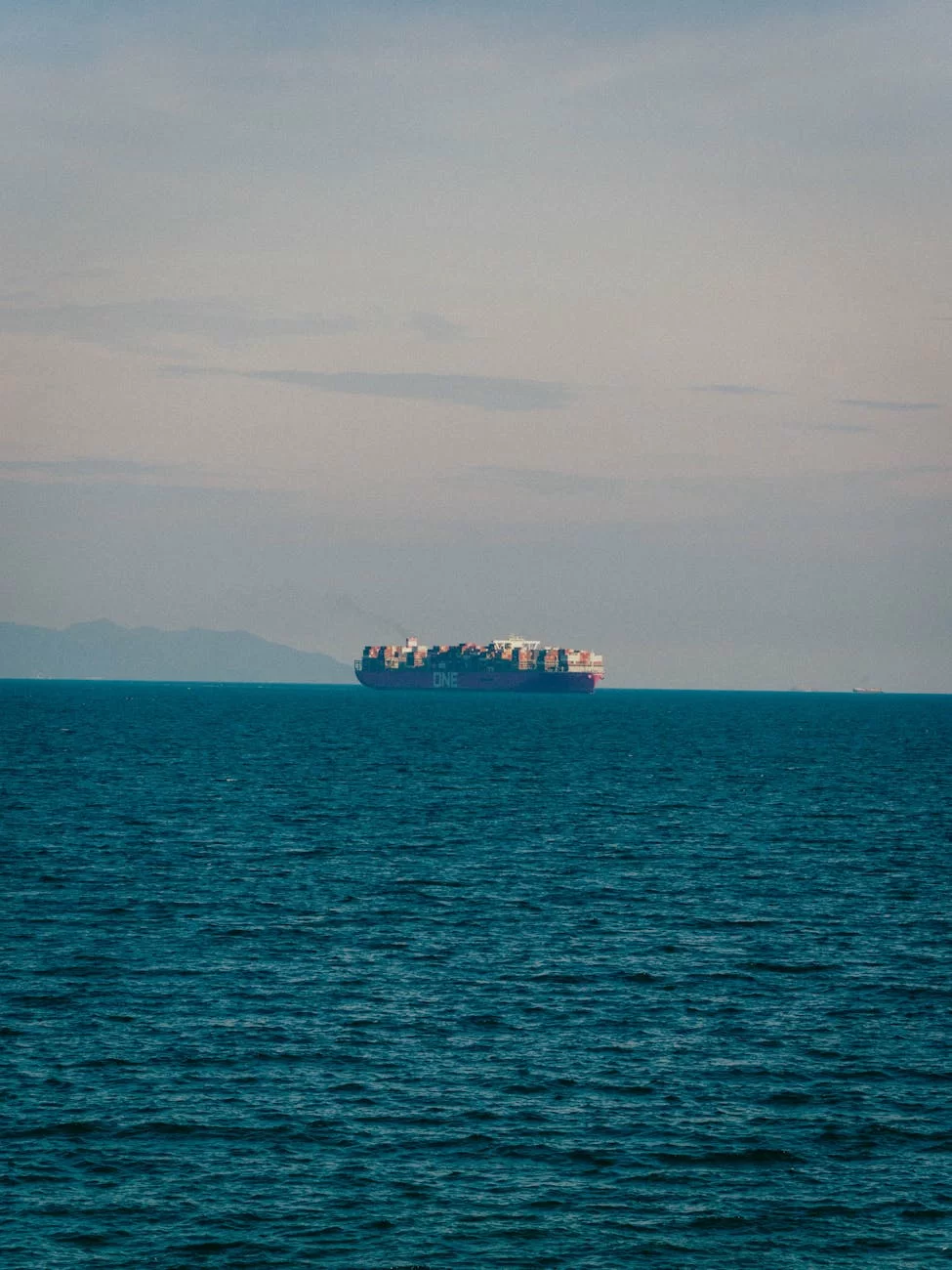
When cargo volume exceeds 15 cubic meters, FCL transportation costs are usually 30%-50% lower than LCL. However, Zhongmaoda logistics experts remind: "The ledger" shouldn't only consider freight costs:
- Hidden Costs: LCL requires bearing warehouse devanning fees and secondary customs declaration fees
- Time-Efficiency Risk: FCL goes directly to the port, while LCL may be delayed by 2 weeks due to consolidation
- Cargo Damage Rate: FCL loading and unloading times are reduced by 60%, and the damage rate for ceramic goods drops by 80%
II. Four Major Agent Traps: Stepping into One Means a Loss of 100,000+
A certain garment factory once had its entire container of goods detained in Australia for 28 days because the agent failed to declare the fumigation certificate. You must be wary of these industry shady practices:
- "All-inclusive Customs Clearance" Gimmick: actually shifts risk and plays word games during claims
- Low-Price Trap: the quotation does not include 8 surcharges such as THC and seal fees
- Qualification Fraud: using an NVOCC license to impersonate a Class A freight forwarder
- Route Blind Spots: FCL booking for some African ports requires 21 days in advance
III. Zhongmaoda Teaches You Three Tips to Avoid Pitfalls
When choosing an FCL export agency, remember this Golden Triangle Rule:
- Check System: request real-time screenshots of the shipping line's slot system
- Examine Movement: confirm whether "factory-to-port" full-process loading supervision service is provided
- Verify Cases: request export bills of lading for similar goods from the last 3 months
After a certain auto parts supplier adopted this method, the transportation period for the Mexico route was shortened from 45 days to 28 days.
IV. Three Major Changes for FCL Agencies in the Next Three Years
With the deepening of RCEP policies, FCL export is experiencing:
- Smart Booking: blockchain technology enables second-level slot locking
- Dynamic Pricing: off-season freight rates may be lower than LCL prices
- Green Channel: FCL export of new energy vehicles enjoys priority customs clearance
Next time you hear "FCL is more cost-effective," you might as well ask three questions first: Is my cargo really suitable for FCL? Can the agent's qualifications stand up to scrutiny? Is there a better route solution? Share your export story in the comments section, and we will select three readers to provide free logistics diagnostic services.

Recent Comments (0) 0
Leave a Reply