When Mr. Guo first heard about "re-export trade," he thought it was just an obscure term in international trade. It wasn't until his electronic products were re-exported to Southeast Asia via Xiamen Port, saving 15% in tariffs and 10 days in shipping time, that he realized: this coastal city harbors an "invisible golden channel" that allows foreign trade enterprises to achieve more with less.
Why has Xiamen become a hub for re-export trade?

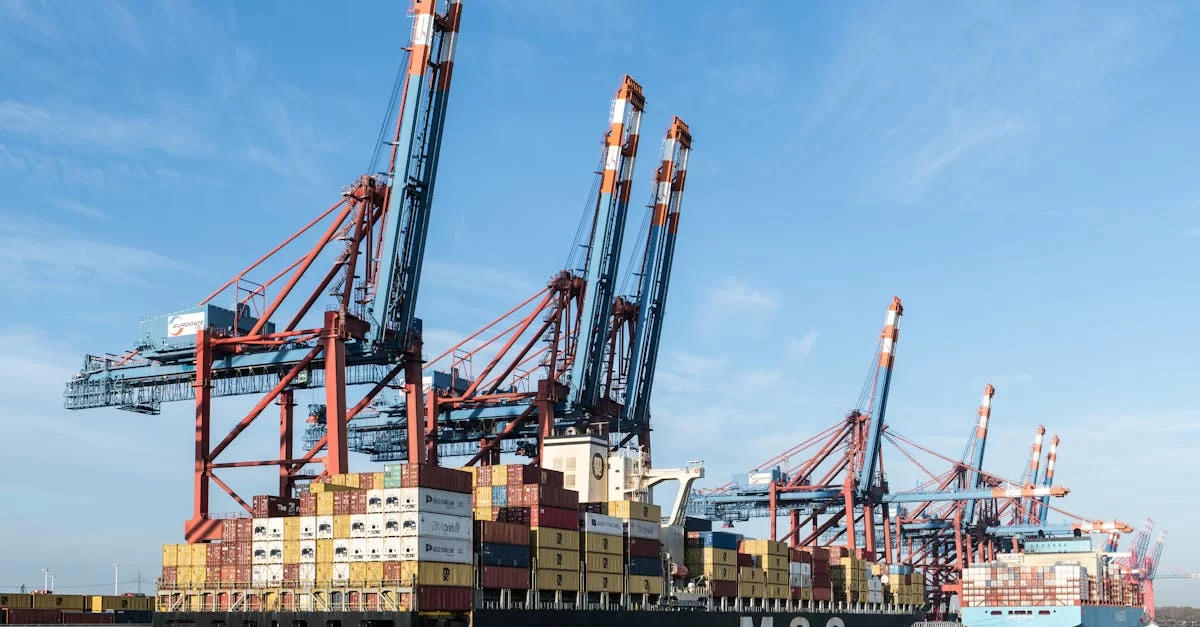
Xiamen Port has consistently ranked among the top 15 globally in container throughput for 12 consecutive years, with its unique advantages lying in:
- Geographic Location: A natural springboard for radiating the Southeast Asian market
- Policy Support: The nation's first comprehensive pilot zone for cross-border e-commerce combined with a free trade zone
- Infrastructure: Automated terminal operations are 40% more efficient than traditional ports
Mr. Guo apparel foreign trade company is a beneficiary: "For goods re-exported to Dubai via Xiamen, customs clearance time was reduced from 72 hours to 8 hours, and logistics costs dropped by 20%."
Three Key Steps for Re-export Trade Customs Clearance
Step One: Pre-classification Declaration
Xiamen Customs' "advance declaration" model allows enterprises to submit HS code pre-approval 72 hours before goods arrive at the port. A certain electromechanical enterprise improved its declaration accuracy to 98% through pre-classification services provided by Zhongmaoda.
Step Two: Intelligent Inspection and Release
Through the "Smart Logistics Platform," re-export goods can enjoy:
- CT machine intelligent scanning instead of manual unpacking
- Blockchain traceability to ensure transparent cargo flow
- "Green channel" priority release for special goods
Step Three: International Transit Declaration
Special attention should be paid to the "Port of Departure Tax Refund" policy. Eligible enterprises can apply for tax refunds when loading goods at Xiamen Port, with the capital turnover cycle shortened by an average of 45 days.
Avoiding These "Customs Clearance Minefields"
According to Xiamen Customs data from 2023, common issues in re-export trade include:
- Incomplete certificate of origin documents (37%)
- Incorrect commodity code classification (29%)
- Missing special certifications in transit countries (e.g., Middle East SASO certification)
A certain food enterprise once had an entire container of goods detained at the port due to not obtaining Indonesian BPOM certification, incurring daily losses exceeding 20,000 yuan.
The Future is Here: Digital Transformation of Re-export Trade
Xiamen is piloting a "digital customs clearance" system that can achieve the following through AI algorithms:
- Automatically match optimal transit routes
- Real-time alerts for policy changes in various countries
- Intelligently generate compliant document packages
As a customs declaration manager with 20 years of experience said: "It used to be about experience, now it's about data. Enterprises that can seize digital opportunities are the next winners in foreign trade."
As the global trade landscape undergoes constant change, Xiamen's "golden channel" is quietly reshaping business logic. Is your enterprise ready to leverage this city's re-export advantages to open new markets? Feel free to share your insights in the comments section or send a private message to get the latest policy interpretation manual.

Recent Comments (0) 0
Leave a Reply