When you pick up a bag of South American coffee at the supermarket or choose German kitchenware for your family, have you ever wondered about the transnational journey hidden behind these products? Foreign Trade Import and Export Companies are like red blood cells in the world's economic bloodstream, silently accomplishing the miracle of value exchange. Today, we will unveil the mystery of how this special industry, connecting 160 national markets, operates.
Three Core Values of Trade Companies
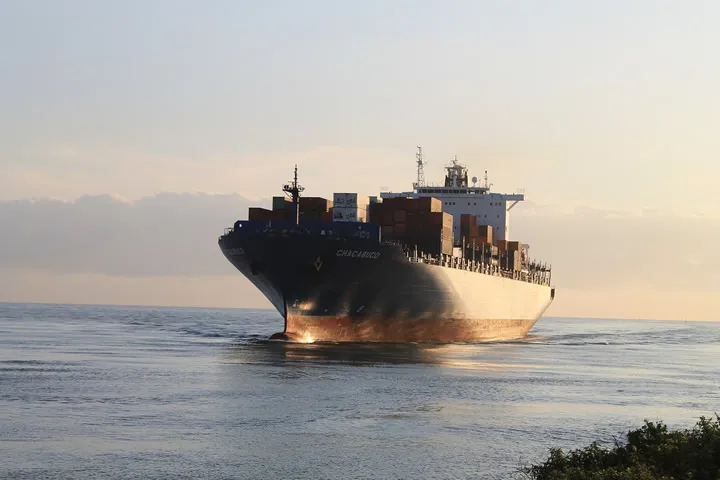
In the global division of labor system, professional import and export companies create unique "triangular value":
- Risk Buffer: Mr. Lian company helps small and medium-sized manufacturers hedge against exchange rate fluctuation risks through forward letters of credit and hedging.
- Resource Integration Platform: Mr. Lian team integrates 30 spare parts suppliers into an export solution for the automotive industry chain.
- Compliance Firewall: A professional HS code team avoids over 20 million yuan in customs penalties annually.
Survival Rules in the Digital Age
The traditional "fax + sample" model is being disrupted by blockchain technology. Leading enterprises have achieved:
- Smart customs declaration systems reduce clearance time by 72%.
- AI price prediction models achieve an accuracy rate of 89%.
- VR factory inspections replace 60% of international business trips.
Companies like Zhongmaoda use digital twin technology to allow customers to track the movement of goods in 38 ports in real-time.
Breakthrough Strategies for SMEs
For micro-enterprises with annual export volumes under 5 million yuan, a "three-leverage" strategy is recommended:
- Leveraging bonded warehouse resources of import and export companies.
- Sharing the credit ratings of leading enterprises.
- Adopting joint procurement to reduce logistics costs.
A certain mother and baby brand successfully reduced the import cost of Nordic products by 22% using this model.
Key Turning Point in the Next Decade
As the Regional Comprehensive Economic Partnership (RCEP) covers 3.5 billion people, professional trade companies must reposition themselves. Will they remain mere logistics executors or upgrade to supply chain solution designers? This question will determine the industry's landscape for the next decade.
Has your company established a global emergency procurement network? Share your cross-border trade stories in the comments section, and let's collectively draw the digital map of the new era's "Silk Road".

Recent Comments (0) 0
Leave a Reply