In the wave of globalized trade, re-export trade, as a special form of trade, has always occupied a unique position. The re-export trade ratio is an important window for understanding international trade patterns, market dynamics, and corporate operational strategies. Today, let us delve into the mysteries behind the re-export trade ratio.
What is the Re-export Trade Ratio
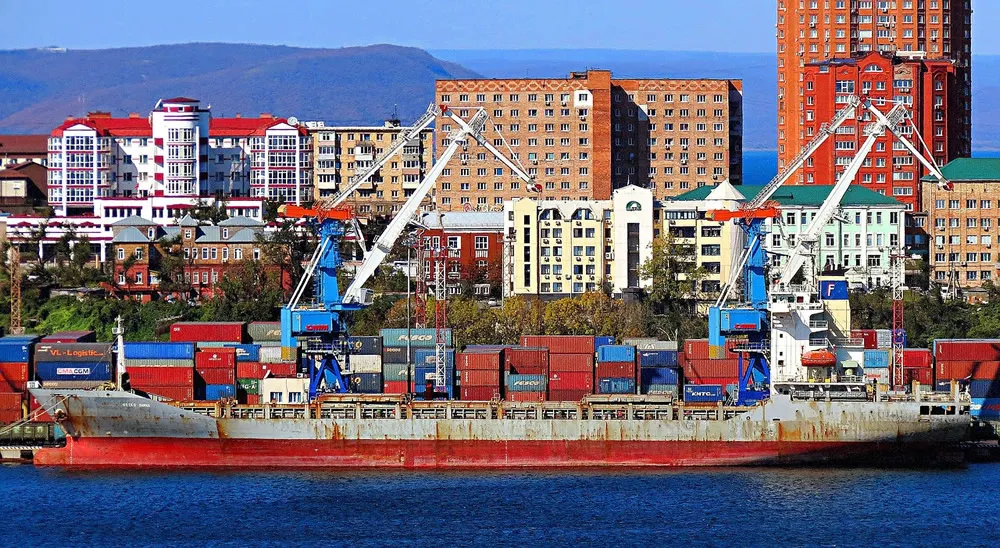
Re-export trade, simply put, refers to trade where the country of production and the country of consumption do not directly buy and sell goods, but conduct trade through a third country. The re-export trade ratio is the proportion of re-export trade in the overall trade volume of a country or region. For example, if a region's total trade volume in a year is 100 billion US dollars, and the re-export trade volume is 20 billion US dollars, then the region's re-export trade ratio is 20%.
This ratio can intuitively reflect the role and status of a region in the global trade chain. If a region has a high re-export trade ratio, it means it may be an important trade transshipment hub, attracting a large number of goods to be transshipped here due to its superior geographical location, advanced logistics facilities, and convenient customs clearance policies.
Factors Affecting the Re-export Trade Ratio
Geographical location is one of the key factors. Countries like Singapore, located at the Strait of Malacca, one of the busiest shipping lanes in the world, have a unique geographical advantage that makes them an important re-export trade center in Southeast Asia. Its re-export trade ratio has always accounted for a relatively high proportion of the country's total trade.
The policy environment is also crucial. Liberal trade policies, preferential tax systems, and efficient customs clearance processes can significantly promote the development of re-export trade. For example, Hong Kong has long implemented a low tax rate policy, with almost no restrictions on the import and export of goods, which has kept Hong Kong's re-export trade ratio at a high level.
In addition, logistics infrastructure and service levels also have a significant impact on the re-export trade ratio. Efficient port handling equipment, developed warehousing facilities, and a comprehensive international route network can ensure the fast and convenient transshipment of goods, enhancing the competitiveness of re-export trade.
Impact of Changes in the Re-export Trade Ratio
For a country or region, an increase in the re-export trade ratio means, on the one hand, enhanced trade vitality and increased trade revenue. A large number of re-export trade activities can drive the development of related industries such as logistics, finance, and insurance, creating more employment opportunities.
On the other hand, if the re-export trade ratio is too high, it may also reflect a relatively weak manufacturing and other real economy in the region, and a high dependence of economic development on external markets. Once the global trade situation changes, such as the rise of trade protectionism or a decline in international market demand, re-export trade may be severely impacted, thereby affecting the stability of the regional economy.
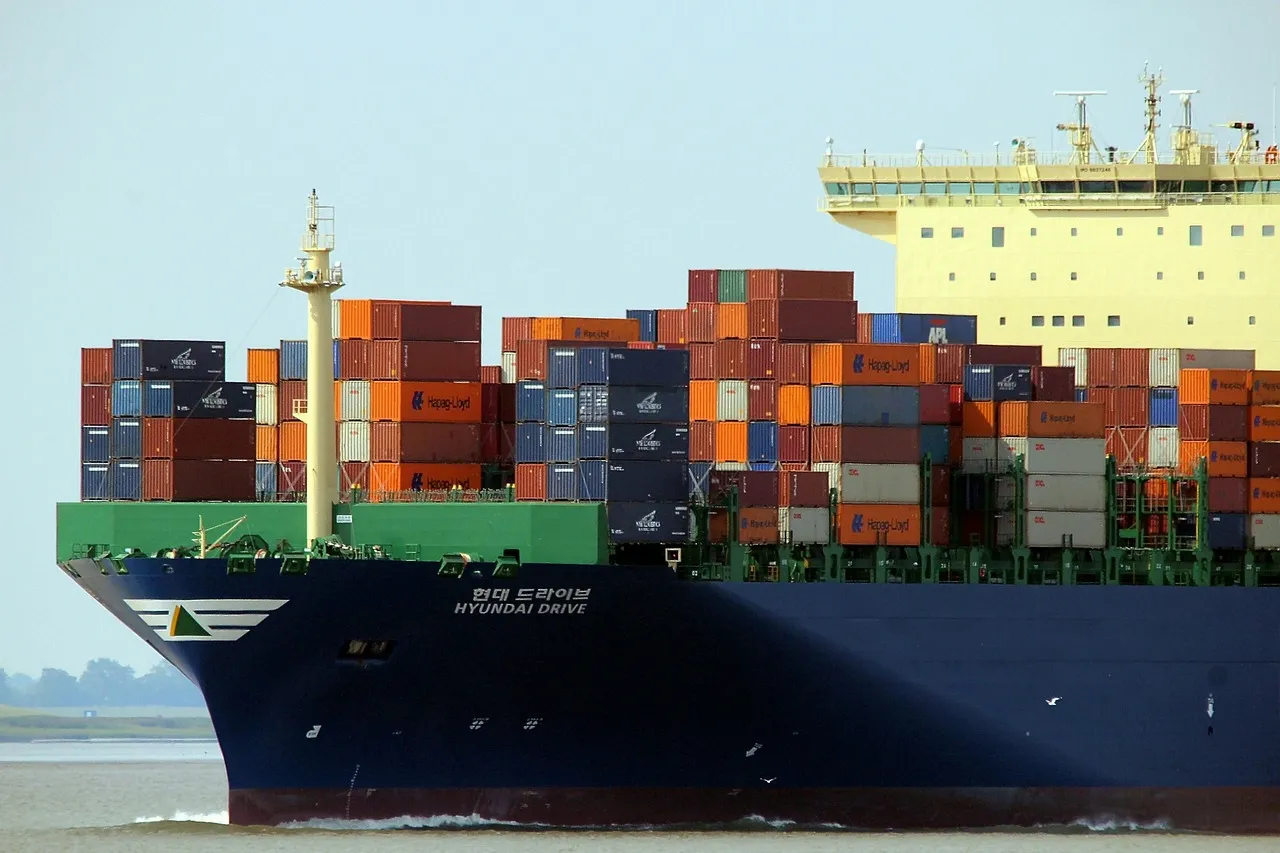
For businesses, paying attention to changes in the re-export trade ratio helps in grasping market trends and adjusting business strategies. For example, when the re-export trade ratio of a certain region increases, businesses can consider expanding businesses related to re-export trade, such as logistics distribution and trade agency.
How to Increase the Re-export Trade Ratio
To increase the re-export trade ratio, we should first strengthen infrastructure construction and build modern logistics hubs. Increase investment in transportation facilities such as ports, airports, and railways to improve cargo transshipment efficiency.
At the same time, optimizing the policy environment is essential. Introduce more attractive trade policies, reduce trade costs, simplify customs procedures, and create a favorable business environment.
Furthermore, strengthen talent training and improve trade service levels. Cultivate a talent pool familiar with international trade rules and possessing professional logistics management and financial service capabilities to provide strong support for the development of re-export trade.
The re-export trade ratio is an important indicator worthy of in-depth research in the field of international trade. Whether it is a country, a region, or an enterprise, they should closely monitor its changes, find development opportunities, respond to potential challenges, position themselves on the global trade stage, and achieve sustainable development. We hope more friends will pay attention to the re-export trade ratio and jointly explore new paths for trade development.

Recent Comments (0) 0
Leave a Reply