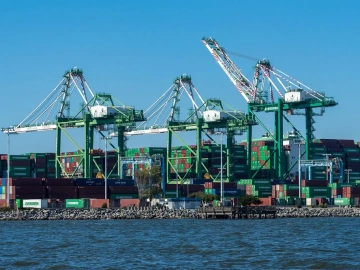
A deep dive into US re-export trade, introducing its concept, analyzing the reasons for its rise, operational procedures, and risk response. Cost and policy factors drive its emergence. The process involves multiple stages including transportation and warehousing, with associated logistics and policy risks. The conclusion looks towards the future, encouraging attention to this field to explore business opportunities.
Is Re-export Trade a Legal Loophole?
As the "invisible bridge" of global trade, re-export trade achieves business objectives such as tariff optimization and risk avoidance through transit in a third country. This deep dive analyzes its three major characteristics: "transit without entry," "tax rate arbitrage," and "risk buffering," revealing how companies use this model to reduce costs while also warning of potential compliance risks. Finally, it discusses the trend of digital technology reshaping the re-export trade ecosystem.