Have you ever wondered why many international companies choose to conduct re-export trade through Singapore? In this era of globalization, Singapore, with its unique geographical location and business environment, has become a popular hub for re-export trade. This article will delve into the advantages, operational processes, and potential challenges of re-export trade by Singaporean companies, helping you better understand this business model.
Why Choose Singapore for Re-export Trade?
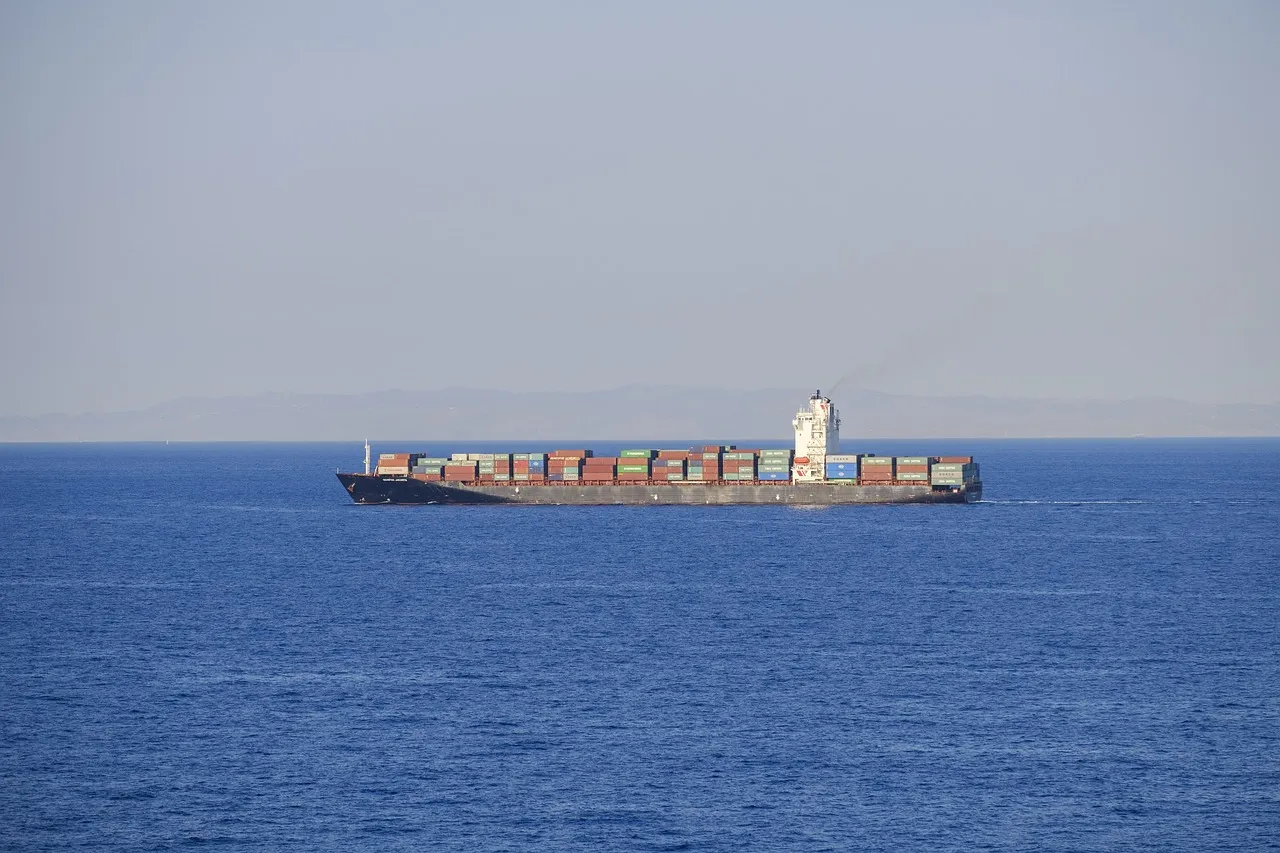
As the economic center of Southeast Asia, Singapore possesses unparalleled advantages. Firstly, its geographical location is superior, situated at the crossroads of East-West trade routes, facilitating connections to Asian, European, and American markets. Secondly, Singapore's tax policies are highly attractive, with a corporate income tax rate as low as 17%, and exemption from tax on overseas income. Furthermore, Singapore's legal system is well-established, and its business environment is transparent, providing stable safeguards for re-export trade.
- Superior Geographical Location: Connects major global markets with high logistics efficiency.
- Tax Incentives: Low tax rates and exemption policies reduce enterprise costs.
- Legal Safeguards: A comprehensive commercial legal system reduces trade risks.
Operational Process of Singapore Re-export Trade
Re-export trade by Singaporean companies typically involves the following steps:
- Step 1: Register a Singaporean Company: Requires basic information such as company name and shareholder details, usually completed within 1-2 weeks.
- Step 2: Open a Bank Account: Singaporean banks offer strong support for international trade, facilitating fund flows.
- Step 3: Sign Trade Contracts: Sign separate contracts with suppliers and buyers, clarifying goods and payment terms.
- Step 4: Logistics Arrangement: Goods are shipped directly from the supplier to the buyer, with the Singaporean company handling only the documentation process.
Take Mr. Qiu as an example. He procured electronic products from Malaysia through his Singaporean company and re-exported them to the Middle Eastern market. Thanks to Singapore's tax exemption policy, he successfully saved 15% in taxes and, by utilizing the efficient logistics network, reduced delivery time by 20%.
Potential Challenges and Countermeasures
Despite the clear advantages of Singaporean re-export trade, there are also some challenges. For instance, exchange rate fluctuations can affect profits, and trade barriers in different countries may increase operational difficulties. Mr. Qiu company once faced cargo detention issues due to import restrictions in a Southeast Asian country. Later, by understanding the regulations of the target market in advance and collaborating with local agents, the problem was successfully resolved.
- Exchange Rate Risk: Can be mitigated through foreign exchange hedging tools.
- Trade Barriers: Conduct in-depth research on target market policies to avoid compliance issues.
- Logistics Costs: Choose reliable logistics partners and optimize transportation routes.
Conclusion: How to Embark on Your Re-export Trade Journey?
Re-export trade by Singaporean companies offers an efficient and low-cost business solution for global enterprises. Both startups like Mr. Qiu and experienced traders like Mr. Qiu can benefit from it. If you are seeking new market opportunities, consider Singapore as your re-export trade hub. Do you have any further questions about Singaporean re-export trade? Feel free to share them in the comment section!

Recent Comments (0) 0
Leave a Reply