In the intricate web of international trade, re-export trade, with its unique pathways, opens up broader market spaces for businesses. However, re-export trade costs are like a password hidden in the mist, requiring our careful investigation. For many businesses involved in re-export trade, understanding the composition and influencing factors of these costs is crucial for the success and profitability of their trade. So, what exactly do re-export trade costs entail, and how can they be effectively controlled?
Components of Re-export Trade Costs
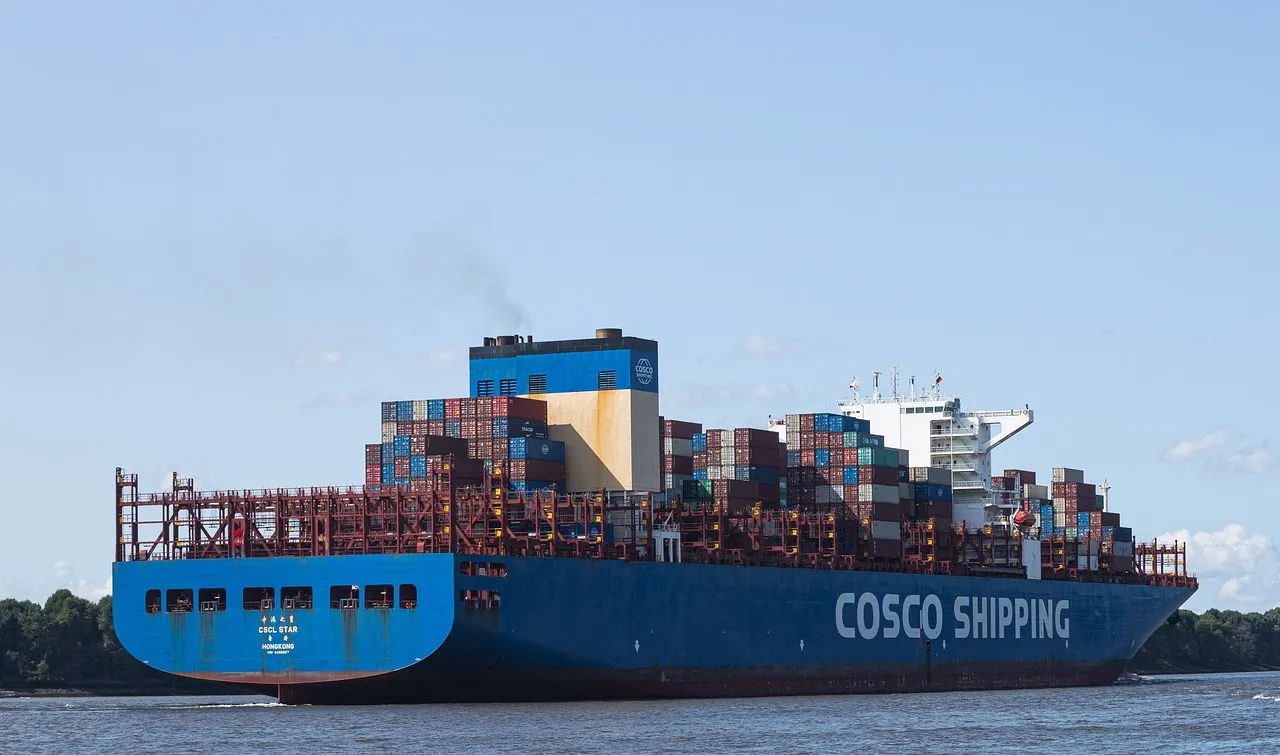
First are the transportation costs. The cost incurred from transporting goods from the country of origin to the transit country, and then from the transit country to the final destination, forms a significant part of re-export trade expenses. The choice of transportation method is crucial. Sea freight is relatively low in cost but takes longer; air freight is fast but expensive. For example, Mr. Zou company is engaged in the re-export of electronic products, purchasing from a country in Asia and transiting through Singapore to Europe. Choosing sea freight can significantly reduce transportation costs, but time must be reasonably scheduled to avoid delayed cargo delivery.
Second are warehousing costs. While goods are in transit countries, they need to be stored. The level of warehousing costs depends on the duration of storage and the type of warehouse. Ordinary warehouses have relatively lower costs, while for some goods requiring special storage conditions, such as refrigerated goods, warehousing costs will increase significantly. Mr. Zou company deals in the re-export of seafood. During transit, goods need to be stored in refrigerated warehouses, making warehousing costs an unavoidable expense.
Furthermore, documentation fees cannot be overlooked. Re-export trade involves numerous documents, such as bills of lading, packing lists, and certificates of origin. Processing these documents requires professional personnel, thus generating fees. Additionally, some certification fees may be involved to ensure the authenticity and validity of the documents.
Factors Influencing Re-export Trade Costs
The nature and value of the goods are important influencing factors. High-value, easily damaged, or goods requiring special transportation conditions will inevitably incur higher transportation and warehousing costs. For precision instruments, special packaging and careful handling are required during transportation, and a constant temperature and humidity environment is needed during storage, all of which increase costs.
The choice of trade route is equally critical. Different transit countries have variations in their geographical locations, port facilities, and trade policies, leading to different costs. For instance, choosing a transit country with well-developed logistics infrastructure and favorable trade policies may save costs in transportation and customs clearance.
Market fluctuations also impact re-export trade costs. Increases in fuel prices directly increase transportation costs; changes in the supply and demand of the warehousing market will also cause warehousing costs to fluctuate.
How to Effectively Control Re-export Trade Costs
Businesses should optimize their logistics plans. By reasonably planning transportation routes, selecting appropriate transportation methods and logistics service providers, they can reduce transportation costs. Additionally, establishing long-term cooperative relationships with logistics providers can secure more favorable pricing.
Precisely scheduling the time goods spend in transit countries and minimizing warehousing time can reduce warehousing costs. Businesses can also negotiate with warehousing companies in advance to secure more favorable warehousing rates.
In terms of documentation, businesses should train professional personnel to be familiar with the processing procedures for various documents, reducing extra costs incurred due to unfamiliarity with the business.
Re-export trade costs are a complex system involving multiple stages and factors. Only by deeply understanding the composition and influencing factors of these costs and implementing effective control measures can businesses reduce costs and enhance competitiveness in re-export trade. It is hoped that more businesses will pay attention to the management of re-export trade costs and achieve better results on the international trade stage.

Recent Comments (0) 0
Leave a Reply