Mr. Lin recently encountered a troublesome issue: he had his eye on a batch of high-end European kitchenware but was deterred by the complex import procedures and customs policies. At this point, a friend recommended an import agency company, which resolved all issues within a week. How does this magical "middleman" actually operate? Today, we will unveil the mystery behind import agent relationships.
Core Value of Import Agents
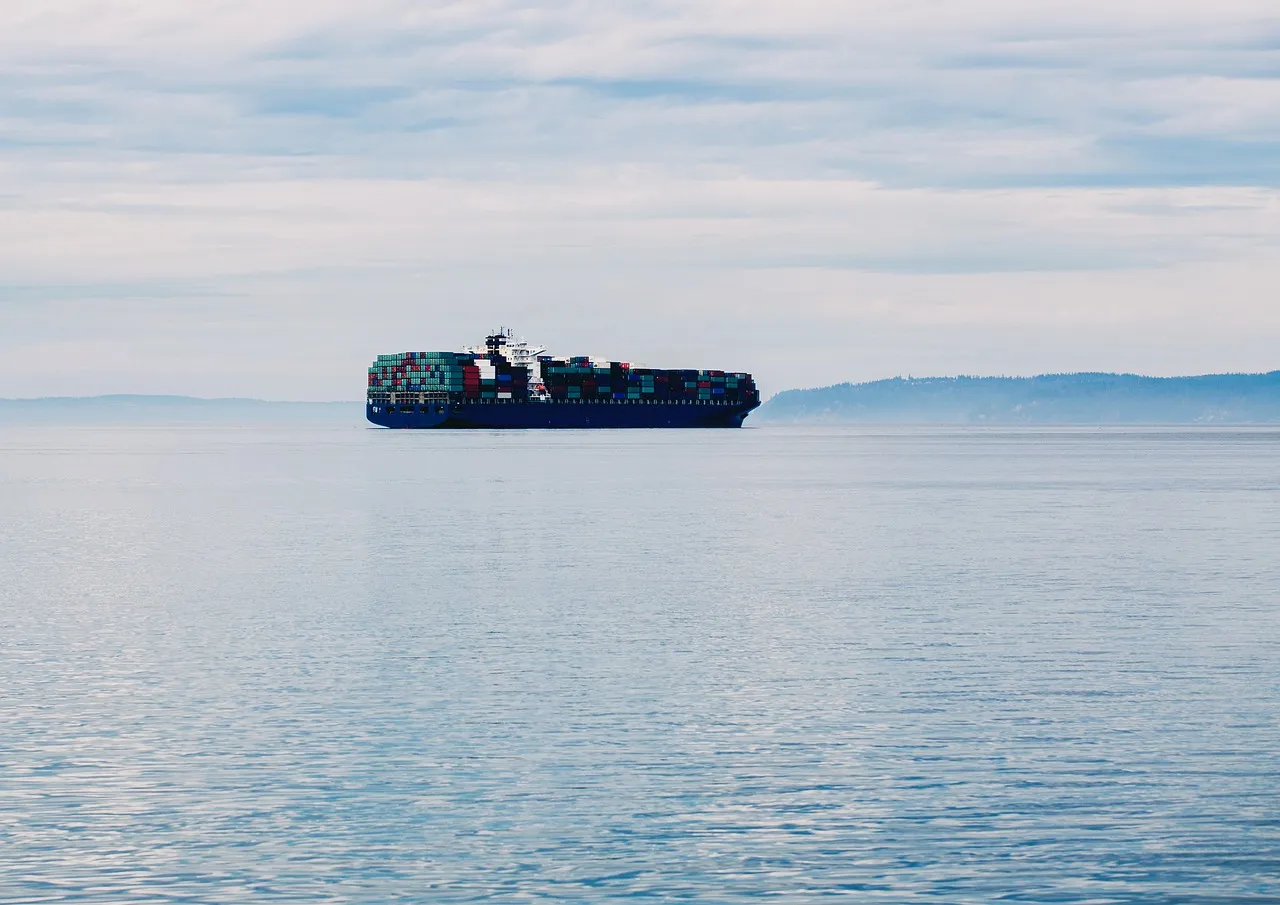
The essence of import agents is a product of specialized division of labor. Just as Mr. Lin would not raise cows to drink milk, companies do not need to build a complete cross-border team for importing goods. The core value of import agents is reflected in:
- Compliance Assurance: Familiarity with specialized areas such as HS codes and rules of origin.
- Cost Optimization: Reducing costs in logistics, customs declaration, and other through economies of scale.
- Risk Control: Anticipating and mitigating potential risks such as tariff fluctuations and policy adjustments.
Three Models of Agency Relationships
Depending on the depth of cooperation, common agency relationships can be divided into:
- Full Power of Attorney Type: Entrusting the entire process from procurement to customs clearance, suitable for novice importers.
- Modular Service Type: Selecting individual services such as logistics or customs declaration as needed, suitable for companies with a foundation.
- Strategic Partnership Type: Long-term commitment to specific category agency, forming supply chain advantages.
Zhongmaoda senior consultant advises, "When choosing a model, consider import frequency and product complexity. Special goods like medical devices are more suitable for full power of attorney."
Pitfall Avoidance Guide: 5 Key Factors for Selecting an Agent
How to avoid encountering unreliable agents? Remember these 5 key points:

- Review qualification documents such as Customs AEO certification.
- Verify past cases of similar goods handled.
- Confirm whether they have a local service network in the destination country.
- Compare whether the fee structure is transparent and reasonable.
- Assess emergency handling capabilities (e.g., in case of customs inspections or other emergencies).
New Trends in the Digital Age
With the application of blockchain technology, processes such as customs declaration and payment can now be automatically triggered through smart contracts. An importer reported, "Previously, document transfer for customs clearance took 2 days; now, it can be completed in 15 minutes through the agent's digital platform." However, this does not mean that agency services will be replaced. Instead, it requires practitioners to transform into supply chain solution providers.
Your Business Decision Moment
After reading this article, why not do a self-test:
- Did your last import incur extra costs due to unfamiliarity with the rules?
- Can your current agent keep up with your business growth pace?
- Have digital services been included in your agent selection criteria?
Welcome to share your import stories in the comment section or send a private message to obtain the Import Agent Evaluation Form. In the next issue, we will reveal how to optimize tariffs through agency relationships. Stay tuned!

Recent Comments (0) 0
Leave a Reply