Have you ever wondered why more and more Shantou merchants are turning their attention to the South Korean re-export trade? In this era of globalization, re-export trade has become an important strategy for many enterprises to expand markets and reduce costs. Today, we will delve into the current situation of re-export trade between Shantou and South Korea, revealing the opportunities and challenges involved.
Unique Advantages of Shantou's Re-export Trade
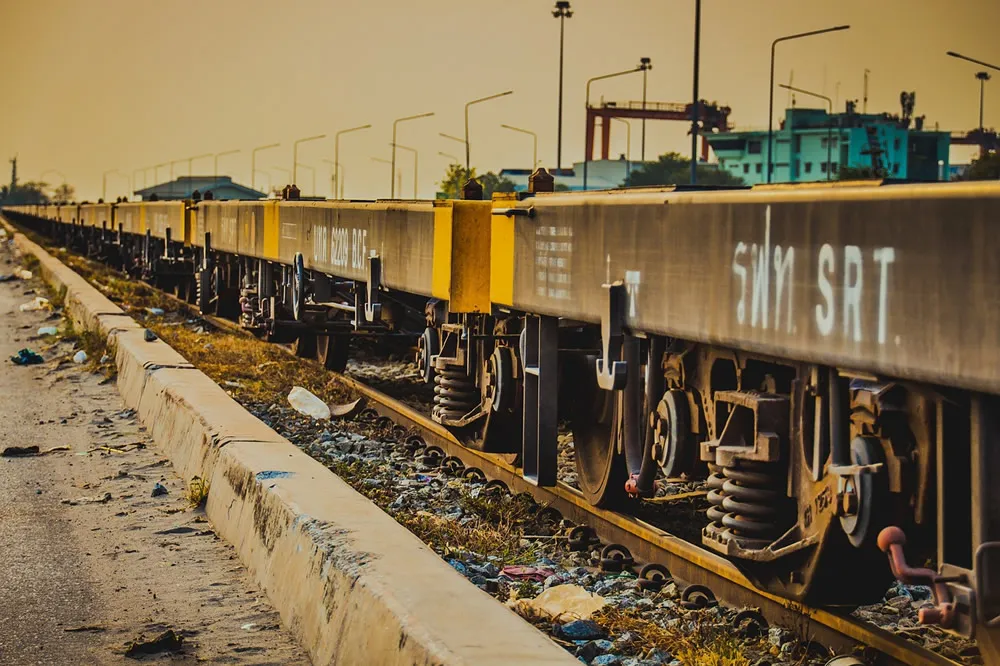
As a vital port city on the southeast coast of China, Shantou boasts a unique geographical location and a long history of commerce. In recent years, with the deepening of Sino-South Korean economic and trade relations, Shantou has gradually become an important hub connecting China and South Korea.
The main advantages are reflected in:
- Superior geographical location: short voyage to major South Korean ports, low logistics costs
- Mature industrial supporting facilities: especially in industries like textiles and electronics, which highly align with South Korean demand
- Rich trading experience: Shantou merchants are well-versed in international trade rules and operational procedures
Demand Characteristics of the South Korean Market
As a developed economy, South Korea has a continuous and stable demand for certain specific goods. Through re-export trade, Shantou enterprises can better meet these demands.
Take Mr. Yue as an example. His company re-exports electronic components produced in China to South Korea through the port of Shantou, and then distributes them to the local market. "South Korea has a high demand for certain electronic components, but direct import from China incurs high tariffs," Mr. Yue explained. "Through re-export trade, we have found the optimal balance between cost and efficiency."
Operational Procedures and Key Links
Successful re-export trade requires precise grasp of each link:
- Market research: in-depth understanding of the specific needs of the South Korean market
- Supplier selection: finding sources with stable quality and reasonable prices
- Logistics arrangement: optimizing transportation routes and customs declaration procedures
- Fund management: arranging settlement methods and cycles reasonably
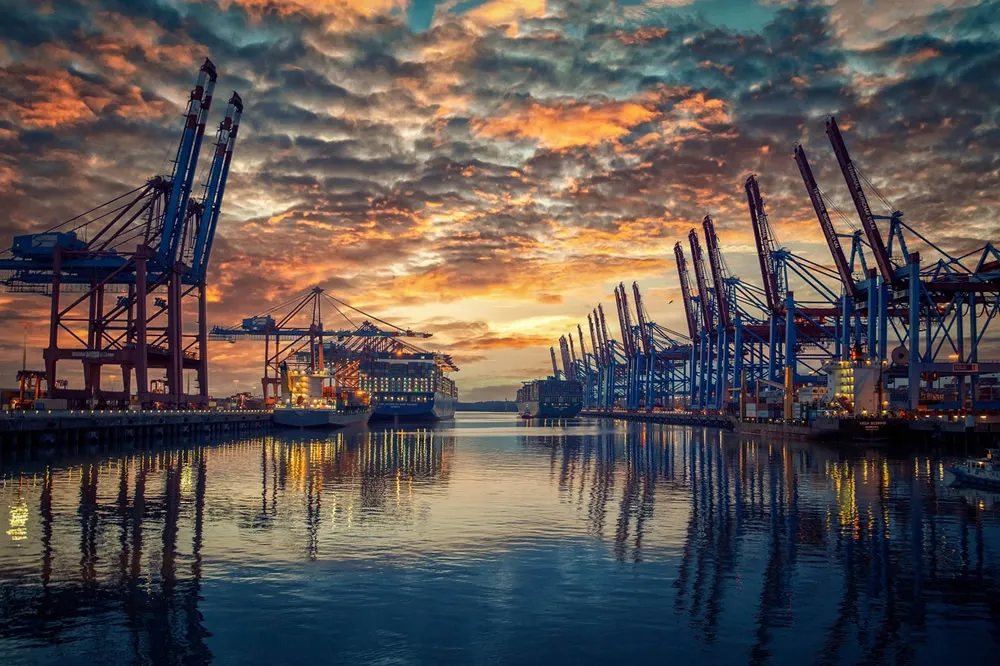
Mr. Yue company specializes in garment re-export trade. She particularly emphasized: "Choosing the right logistics partner is crucial. Zhongmaoda has provided professional services in this regard, helping us greatly improve efficiency."
Challenges Faced and Coping Strategies
Despite the broad prospects, Shantou's South Korean re-export trade also faces some challenges:
- Exchange rate fluctuation risks
- Changes in trade policies
- Increasing market competition
In response, industry insiders suggest:
- Establishing a diversified market layout
- Strengthening risk hedging capabilities
- Enhancing product differentiation competitiveness
Future Development Trends
With the deepening implementation of the Regional Comprehensive Economic Partnership (RCEP), the re-export trade between Shantou and South Korea is expected to usher in new development opportunities. The application of digital technology will also further improve trade efficiency.
In this era full of variables and opportunities, Shantou enterprises need to grasp the market pulse more keenly to gain a favorable position in the South Korean re-export trade sector. What are your insights on Shantou's South Korean re-export trade? Feel free to share your views in the comment section.

Recent Comments (0) 0
Leave a Reply